Just getting started researching a Connecticut ancestor? Here are five of my favorite research “secrets.”
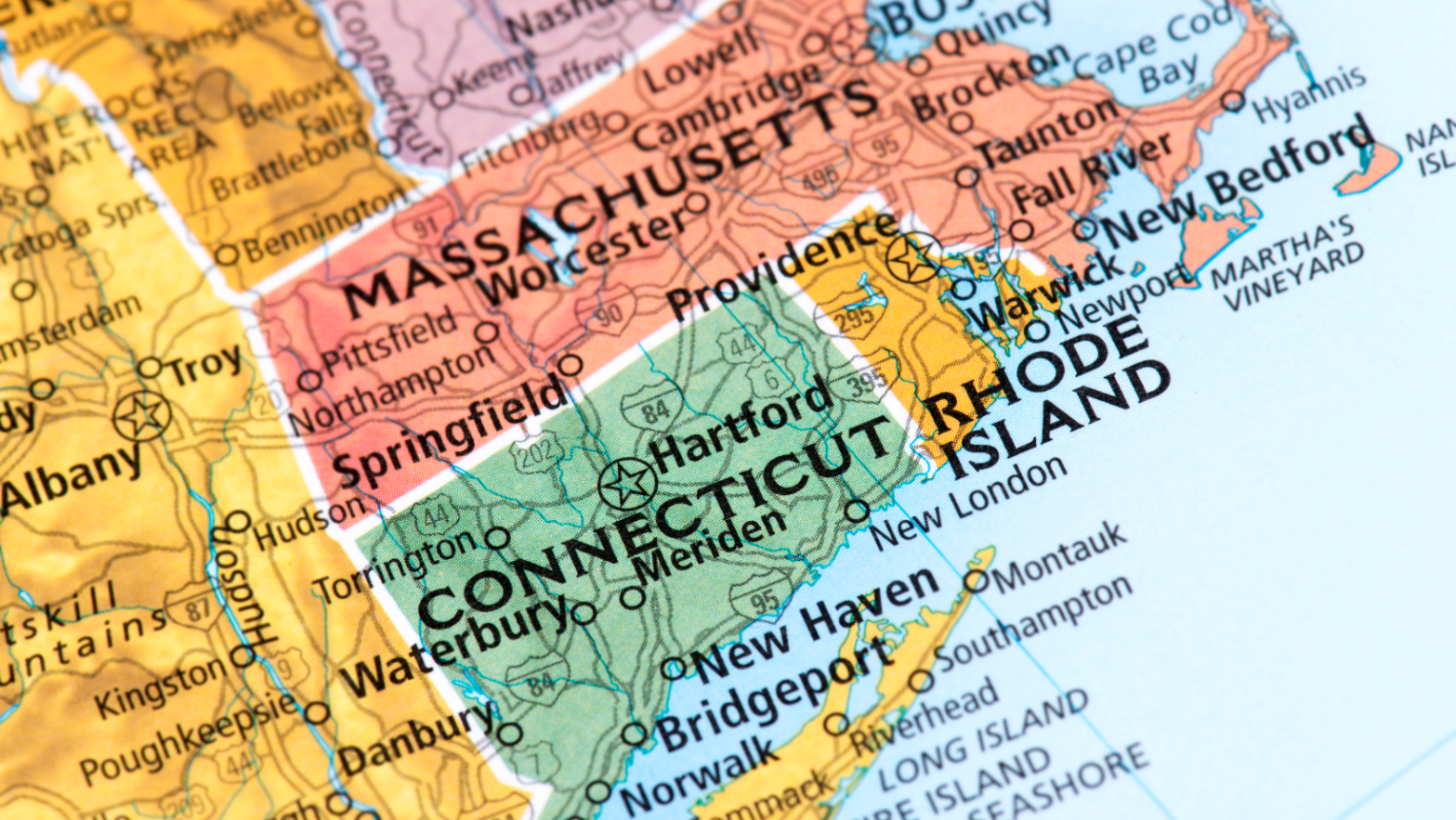
- There’s no such thing as “New England genealogy”: Yes, there are some common patterns among the different New England states due to shared heritage (many originated from MA Bay Colony), but they are different states. If you assume common record patterns, you’ll miss things.
- Town is everything: You will absolutely need to know the town to research your ancestor. Yes, counties did exist in Connecticut. But they were legally abolished in 1960, and they never played a major role in government. Unless your ancestor was involved in a civil court case (such as for debt), a divorce, or a criminal court case, you may never end up using county records. Town records, however, you will definitely use. Town records include vital records, land records, and to a degree, probate courts. Pay attention to town boundary shifts. Records didn’t move with town borders.
- A lot is online: FamilySearch has done an amazing job with digitizing pre-1900 records. If you’re looking for a vital record, a church record, or a probate file, chances are good it may already be online. Remember, though, not everything is! Most tax records are still only available on the town level.
- There’s a reason professionals love the State Library: CSL has a great reputation among professionals and for good reason. Check out their resources, finding aids, and more!
- Professional help can be a key for breaking through a tough problem: Because so much Connecticut genealogy has been researched, written, or digitized, it can be tempting to think everything you need is either available in a journal, on a website, or through just asking someone. Yet, there is a lot that hasn’t been studied. From professional genealogists to local historical society directors, onsite help may be what you need to find a missing record or get past a brick wall.

