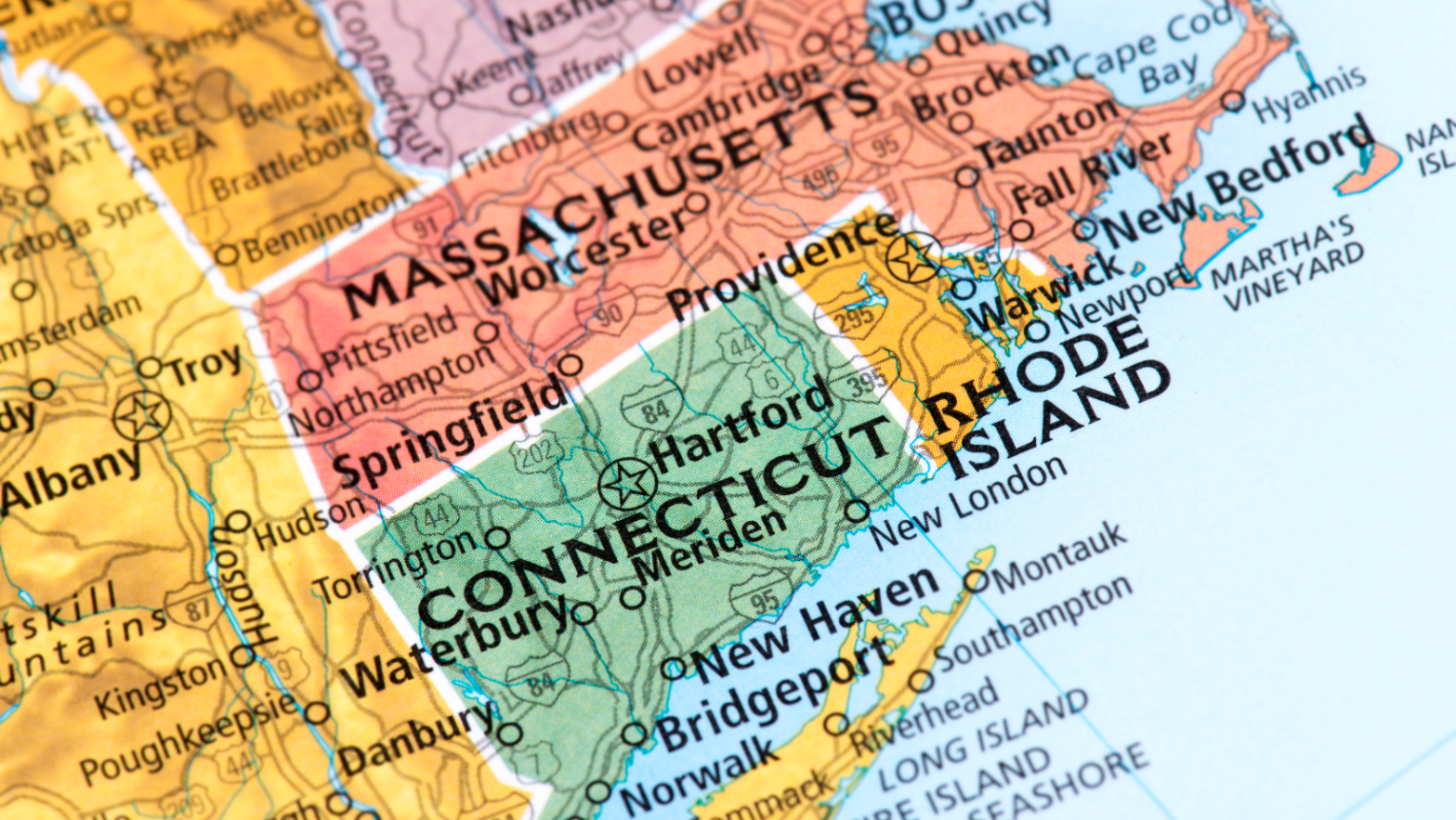
Just getting started researching a Connecticut ancestor? Here are five of my favorite research “secrets.” There’s no such thing as “New England genealogy”: Yes, there are some common patterns among the different New England states due to shared heritage (many originated from MA Bay Colony), but they are different states. If you assume common recordContinue reading “5 Secrets of Connecticut Genealogy from a Professional Genealogist”
Tag Archives: History
Is treating Connecticut genealogy as “New England genealogy” really the best approach?
Regional genealogy is becoming increasingly popular in professional genealogy, both as a way to establish professional expertise and to teach. While not a new concept, the idea has begun to supplant a state centered focus over the last decade or so. Instead of focusing on Connecticut, the genealogist using regional genealogy focuses on New EnglandContinue reading “Is treating Connecticut genealogy as “New England genealogy” really the best approach?”
5 Tips for Using FamilySearch for Researching Connecticut Ancestors

I hear often from researchers that they’ve started researching their Connecticut family on specific genealogy websites and skipped FamilySearch because it feels hard to use. They’ve accidentally missed one of the best resources for digitized Connecticut genealogy records (and more). While FamilySearch is a challenging to navigate website, learning how to use it can makeContinue reading “5 Tips for Using FamilySearch for Researching Connecticut Ancestors”
Connecticut land record not in land records or probate? It might be a minister’s lease…
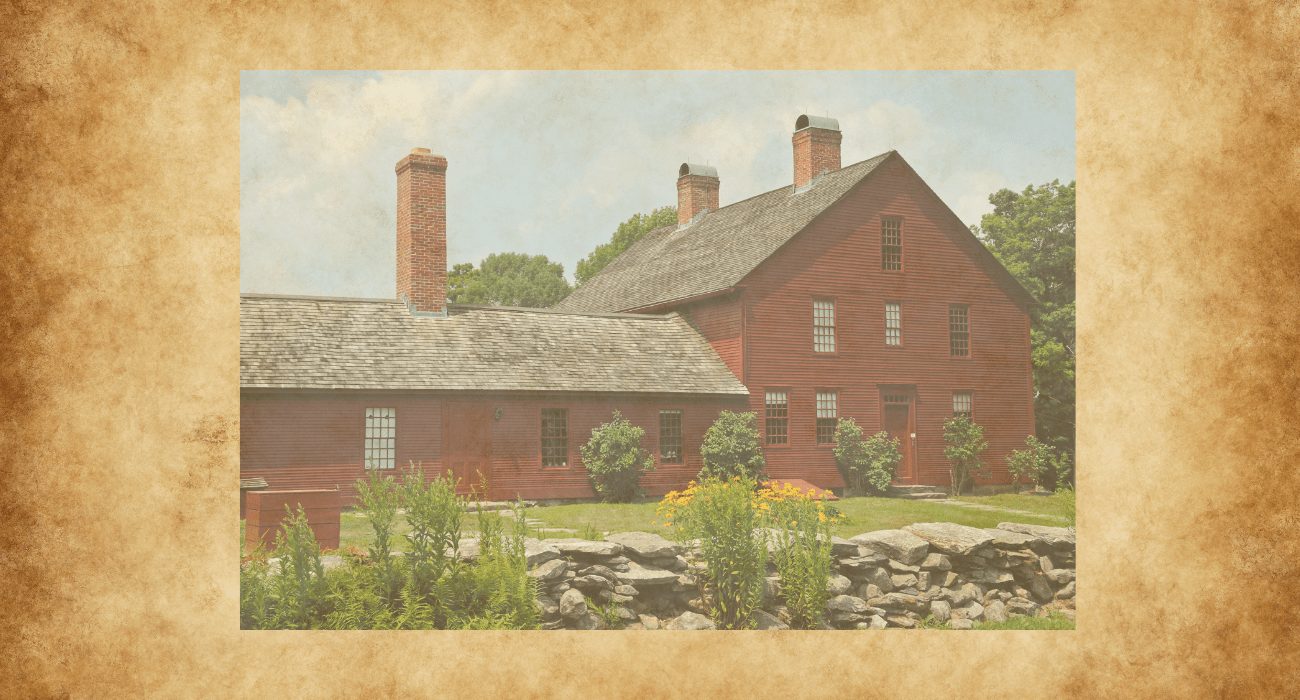
Until 1818, the Congregational Church was the established church of the state of Connecticut. As part of the governance of the church, the local community was expected to “settle a minister.” This meant finding a minister, paying their salary, and more. Sometimes, it meant granting or leasing them land. Fowler’s History of Durham, Connecticut recountsContinue reading “Connecticut land record not in land records or probate? It might be a minister’s lease…”
Born in Connecticut, died in New York?: Effectively Researching 18th and early 19th Century Migratory Connecticut Ancestors
Does the death record of your New York, Ohio, or Michigan ancestor list a birth place of Connecticut? Is there a profile in a county history listing a county of birth? It’s common for researchers to use that information to try to leap right into researching in Connecticut records… You shouldn’t. To start, you don’tContinue reading “Born in Connecticut, died in New York?: Effectively Researching 18th and early 19th Century Migratory Connecticut Ancestors”
What did your ancestor’s Connecticut farm look like?

I’ve spent a lot of time explaining why New England farms are different from farms in the Midwest over the last few weeks. Since the reasons are grounded in history and can help you better understand why your ancestor’s farm did or did not look a certain way, I thought a blog post might beContinue reading “What did your ancestor’s Connecticut farm look like?”
Prince Mortimer of Middletown (purportedly 1724-1834): Examining Claims of Revolutionary War Service
Since the 2006 release of Denis Caron’s A Century in Captivity: The Life and Trials of Prince Mortimer, a Connecticut Slave, discussion of the life of Prince Mortimer of Middletown has largely centered around the trial for attempted murder that resulted in Mortimer’s imprisonment in Old New-Gate Prison.[1] Yet some studies of Mortimer haveContinue reading “Prince Mortimer of Middletown (purportedly 1724-1834): Examining Claims of Revolutionary War Service”
Rethinking the Historical Approach: Using Genealogy to Tell the Story of a Veteran of Color, Pvt. Sharp Liberty, Connecticut Continental Line

Rethinking the Approach In recent years, scholars of Connecticut history have begun to grapple with the prior discussions of the participation of Connecticut soldiers of color in the American Revolution. As one historiographical study notes, the easy accessibility of two problematic texts on the subject online poses potential issues to future research. The author describesContinue reading “Rethinking the Historical Approach: Using Genealogy to Tell the Story of a Veteran of Color, Pvt. Sharp Liberty, Connecticut Continental Line”
5 Crucial Dates in 17th Century Colonial Connecticut History That May Impact Your Genealogy
The records of your ancestors are shaped by what was happening around them. Sometimes that was changes in law; sometimes changes in politics; sometimes warfare; something else. Here are five crucial dates in the history of 17th century colonial Connecticut that may impact your genealogy research: 1633: The establishment of the House of Hope, theContinue reading “5 Crucial Dates in 17th Century Colonial Connecticut History That May Impact Your Genealogy”
5 Tips for Researching a Connecticut Ancestor’s Civil War Service
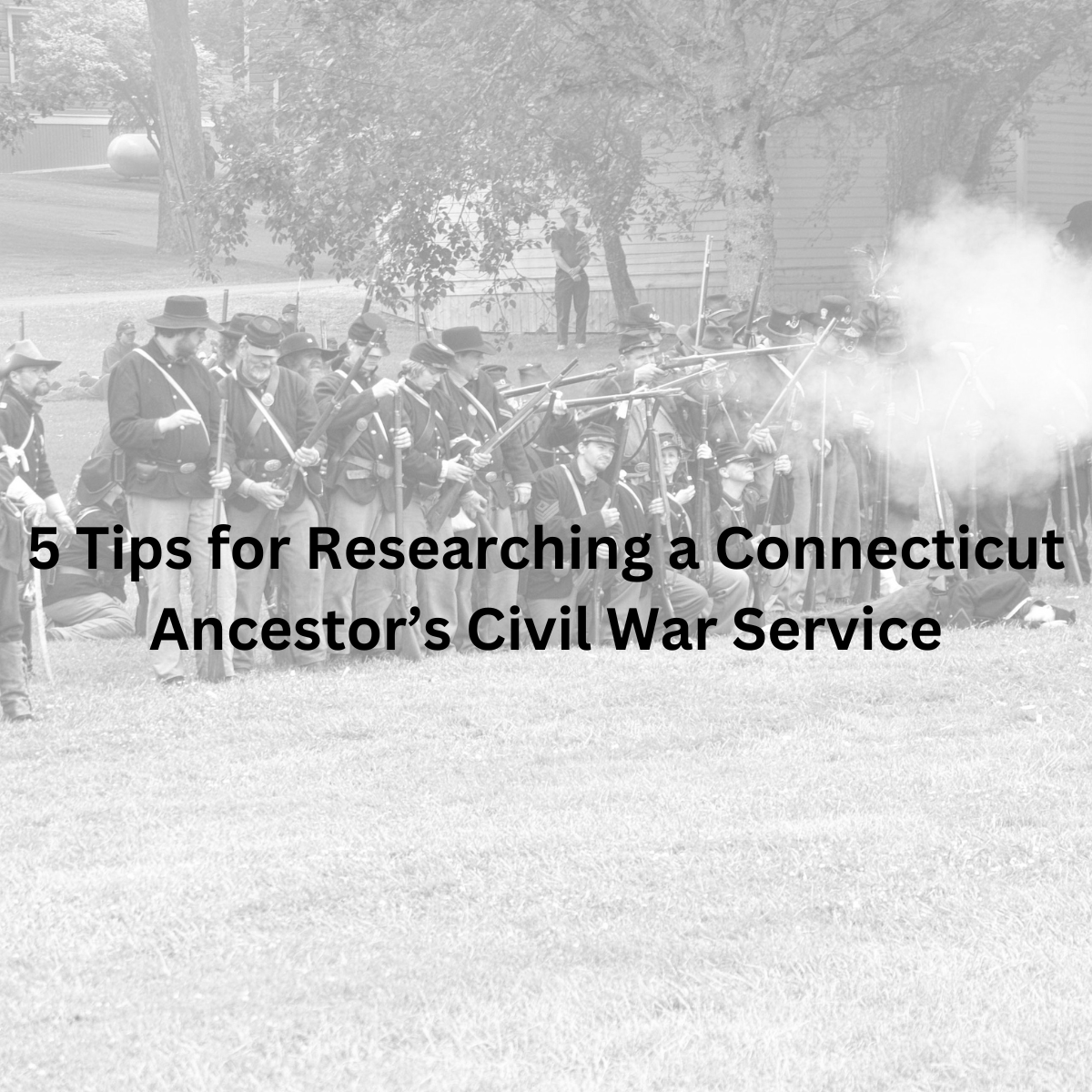
Pay attention to the unit designation. It will tell you where to find the records (and will be needed for ordering copies). Most Connecticut units will be labelled as “CV” or Connecticut Volunteers. Connecticut Volunteers were raised and staffed in state, and as such will have state level records of management. However, the 30th Connecticut,Continue reading “5 Tips for Researching a Connecticut Ancestor’s Civil War Service”

