Looking to document a Connecticut ancestor’s death? The death record, obituary, church burial record, and probate record are the first stops for most researchers. However, they may not document every ancestor. For Connecticut ancestors, a few additional sources exist that might help move back an ancestral brick wall.
- For burials 1853 and after, sexton books. Each month, the cemetery sexton was required to report burials in the previous month to the town clerk. Information about the books can be found here.
- For burials 1885 and after, burial transit permits. If remains were moved between towns for burial, a permit was required to accompany the casket and to be stored with the town clerk of the receiving town. These permits vary in detail: some may contain as much as information as a death record would hold. Information about the permits can be found here.
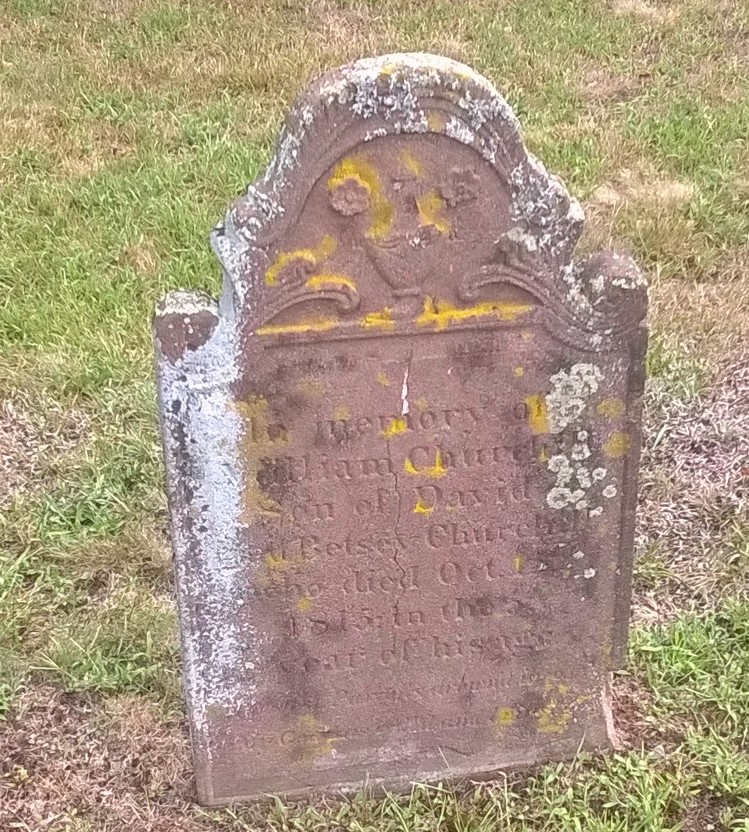
- For gravestones. Connecticut has an extra option beyond Find A Grave and Billion Graves. The Charles R. Hale Collection of Cemetery Inscriptions was a W.P.A. project to document Connecticut’s cemeteries. As many Connecticut gravestones are made of brownstone and have suffered damage over the decades, the Hale Collection may offer a way to find a full transcription of a gravestone that is no longer legible. Information on the Hale can be found here.

