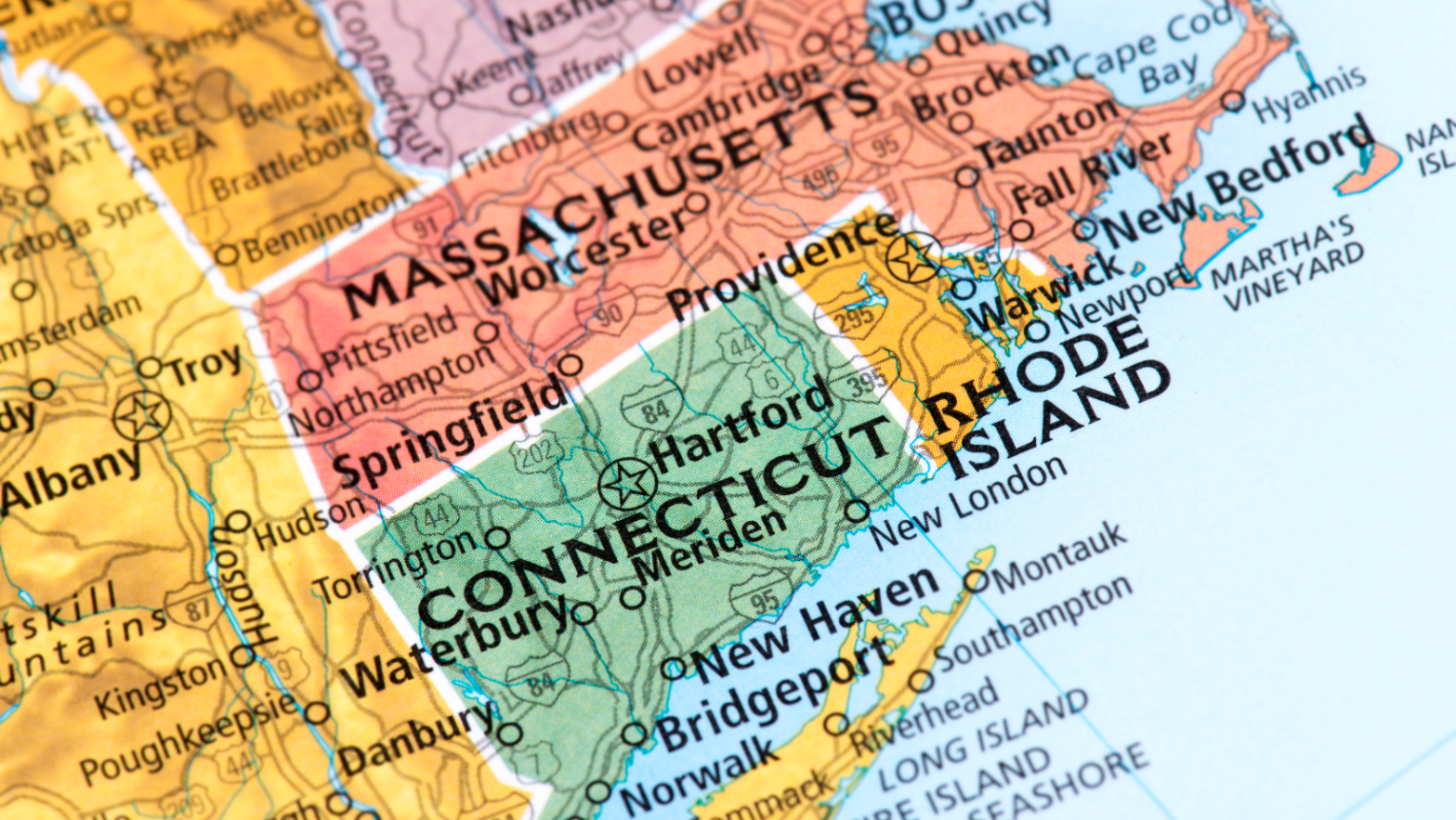
Regional genealogy is becoming increasingly popular in professional genealogy, both as a way to establish professional expertise and to teach. While not a new concept, the idea has begun to supplant a state centered focus over the last decade or so. Instead of focusing on Connecticut, the genealogist using regional genealogy focuses on New England genealogy. While this approach has some benefits, it can also potentially be problematic.
A regional approach is based on the idea that a region has some common trends. Typically, these include a shared history (in the case of New England, that’s a Massachusetts based initial settlement and a religious history tied to the Congregational Church); similar record sets; and overlapping migration patterns. A focus on the shared aspects, in theory, allows the genealogist to learn more ground. That would make a professional able to serve more clients and potentially be able to teach more expansive courses.
Yet, a regional approach makes it almost impossible to learn nuance for each of the locations in the region. In reality, genealogists often become very strong in one state and are less so in the others. That can become problematic, as key records can be missed or misinterpreted. For example, Connecticut had an establishment church until 1818, but legal rights for Christians beginning in 1784. The legislation may impact where a family’s church records are held. There is a tracking system for determining which early probate records were turned over to the state archives, but the collection is little known outside of the state. When the professional genealogist claims to be able to work in all of the region, it can be hard for the client to tell where they are most effective.
A regional focused approach is typically going to be most effective for things that are common between the regions. A nuanced or challenging issue will still benefit from a state level specialist. Understanding the difference between the two situations is going to be key to a successful outcome.

