
Because the Congregational Church was the “state church” of Connecticut until the Constitution of 1818, many Connecticut ancestors were Congregational by default. As a result, Congregational Church records should be part of your search. In the early 20th century, the Connecticut State Library began a project to preserve church records. They asked churches to submitContinue reading “Connecticut Congregational Church Records”
Tag Archives: Connecticut
Resources for finding the burial of a veteran ancestor in Connecticut
Looking to discover where a veteran ancestor is buried? Connecticut and national repositories maintain resources that can help. The Nationwide Gravesite Locator lists veterans buried in national cemeteries or in a private cemetery with a military headstone. The SAR has a cemetery search option that includes Revolutionary War ancestors they consider qualifying. The State LibraryContinue reading “Resources for finding the burial of a veteran ancestor in Connecticut”
Connecticut Villages: What do you need to know?
Connecticut historically had a village system. Villages – which often included churches, stores, schools and more – were typically organized either (in the 18th and early 19th century) around a church or later, around industrial centers. As much of life revolved around what they experienced in the villages, our ancestor may have listed the villageContinue reading “Connecticut Villages: What do you need to know?”
Holiday Gifts for a Connecticut Genealogist
Is there a Connecticut genealogist in your life starting their holiday wish list? These are a few of my favorite options:
Don’t have a Connecticut State Library card? Here’s why you should…
If you’re a Connecticut resident, you’re eligible for a Connecticut State Library card. (It can be applied for here.) The State Library is separate from your local public library. The State Library houses the state archives of Connecticut but also functions as the state’s library – which means that it has books and database access.Continue reading “Don’t have a Connecticut State Library card? Here’s why you should…”
I can’t locate a Connecticut birth certificate. Now where do I look?
While Connecticut required birth records as early as 1641, not everyone had one. If you can’t find a birth record for your ancestor, where else might you find their birth date and place recorded?
What’s a proprietor? (and why does it matter?)

When Connecticut gave land to colonial settlers, it did not do so – as other colonies did – by issuing patents to individuals. Instead, it gave a group permission to settle on a certain area of land. These individuals, referred to as “proprietors” were responsible for establishing town governance and dividing the land among themselvesContinue reading “What’s a proprietor? (and why does it matter?)”
I can’t find a Connecticut birth record. Where do I look next?
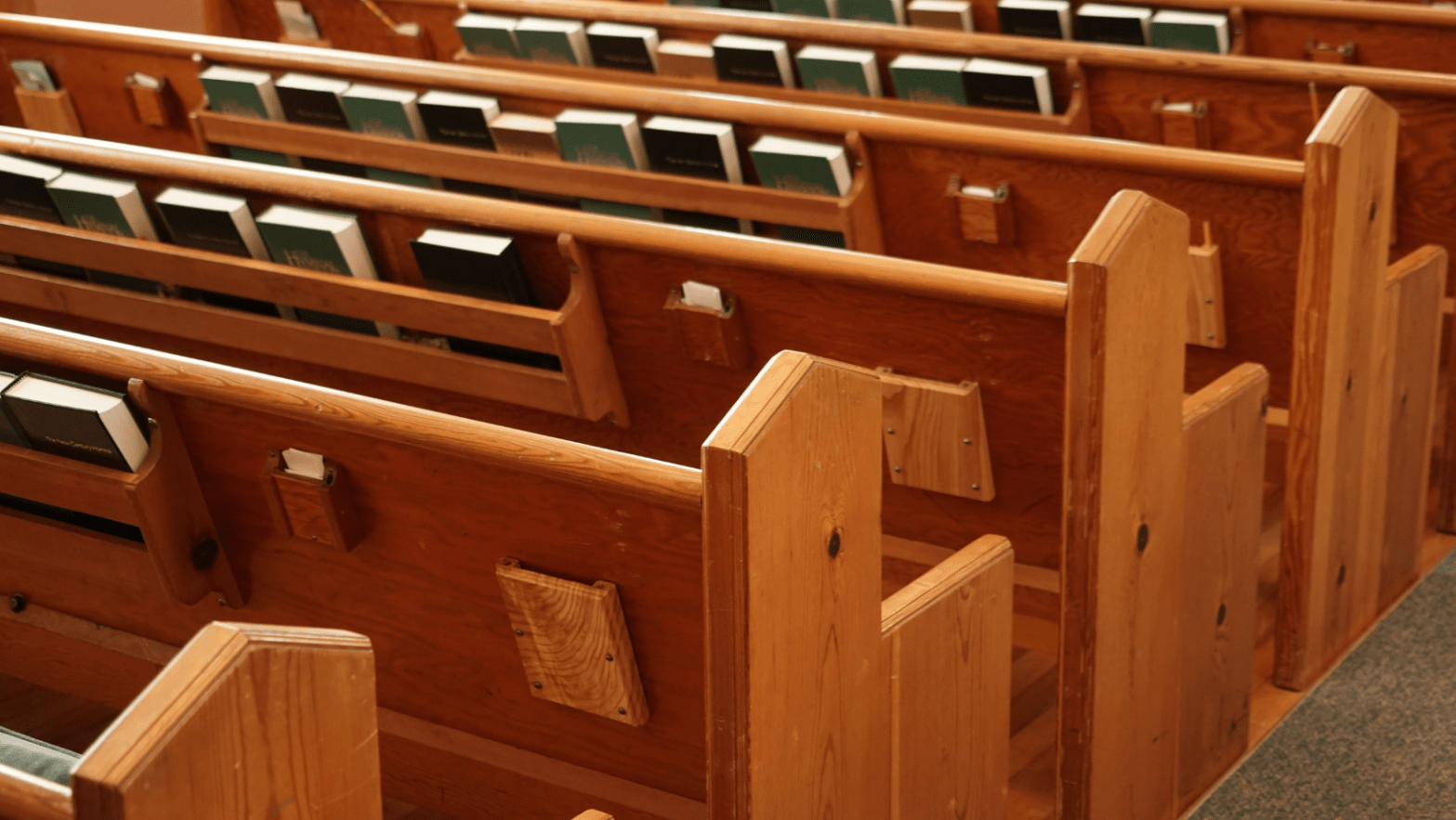
Connecticut required vital records beginning in the 1640s on the town level and on the state level beginning on 1 July 1897. Yet, for some families, you may not find birth records until the 1910s. Where do you look next? Church records. Connecticut had a state church until 1818, so many colonial families were CongregationalContinue reading “I can’t find a Connecticut birth record. Where do I look next?”
Resources for researching a French-Canadian family from Connecticut

The late 19th and early 20th centuries brought French Canadian families from Quebec, often to work in Connecticut’s textile factories. While these families are well studied in Maine, Rhode Island,and elsewhere, their presence in Connecticut is less well known. If your ancestors were part of that migration, what resources exist to help you trace them?Continue reading “Resources for researching a French-Canadian family from Connecticut”
Resources for researching Polish immigrants to Connecticut

Polish immigrants had a presence in Connecticut beginning in the late 19th century. Poland has been part of multiple political jurisdictions over the centuries, which can make it challenging to research. Are there are resources that can help you trace your Polish-American ancestors back to Poland?
 Connecticut Roots by Charter Oak Genealogy