
Rethinking the Approach In recent years, scholars of Connecticut history have begun to grapple with the prior discussions of the participation of Connecticut soldiers of color in the American Revolution. As one historiographical study notes, the easy accessibility of two problematic texts on the subject online poses potential issues to future research. The author describesContinue reading “Rethinking the Historical Approach: Using Genealogy to Tell the Story of a Veteran of Color, Pvt. Sharp Liberty, Connecticut Continental Line”
Tag Archives: Connecticut
5 Crucial Dates in 17th Century Colonial Connecticut History That May Impact Your Genealogy
The records of your ancestors are shaped by what was happening around them. Sometimes that was changes in law; sometimes changes in politics; sometimes warfare; something else. Here are five crucial dates in the history of 17th century colonial Connecticut that may impact your genealogy research: 1633: The establishment of the House of Hope, theContinue reading “5 Crucial Dates in 17th Century Colonial Connecticut History That May Impact Your Genealogy”
5 Tips for Researching a Connecticut Ancestor’s Civil War Service
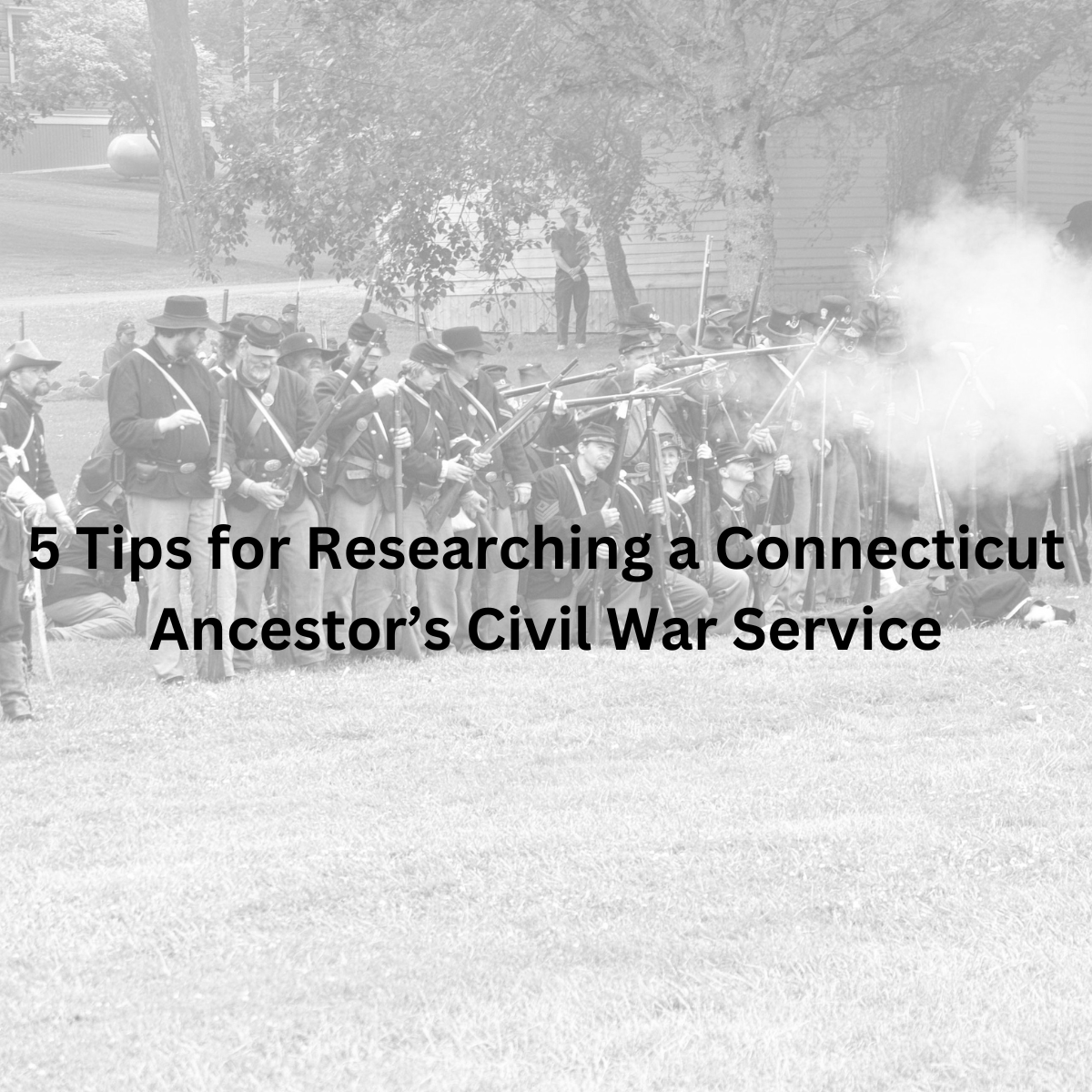
Pay attention to the unit designation. It will tell you where to find the records (and will be needed for ordering copies). Most Connecticut units will be labelled as “CV” or Connecticut Volunteers. Connecticut Volunteers were raised and staffed in state, and as such will have state level records of management. However, the 30th Connecticut,Continue reading “5 Tips for Researching a Connecticut Ancestor’s Civil War Service”
Land Records: Key Part of Colonial Connecticut Research
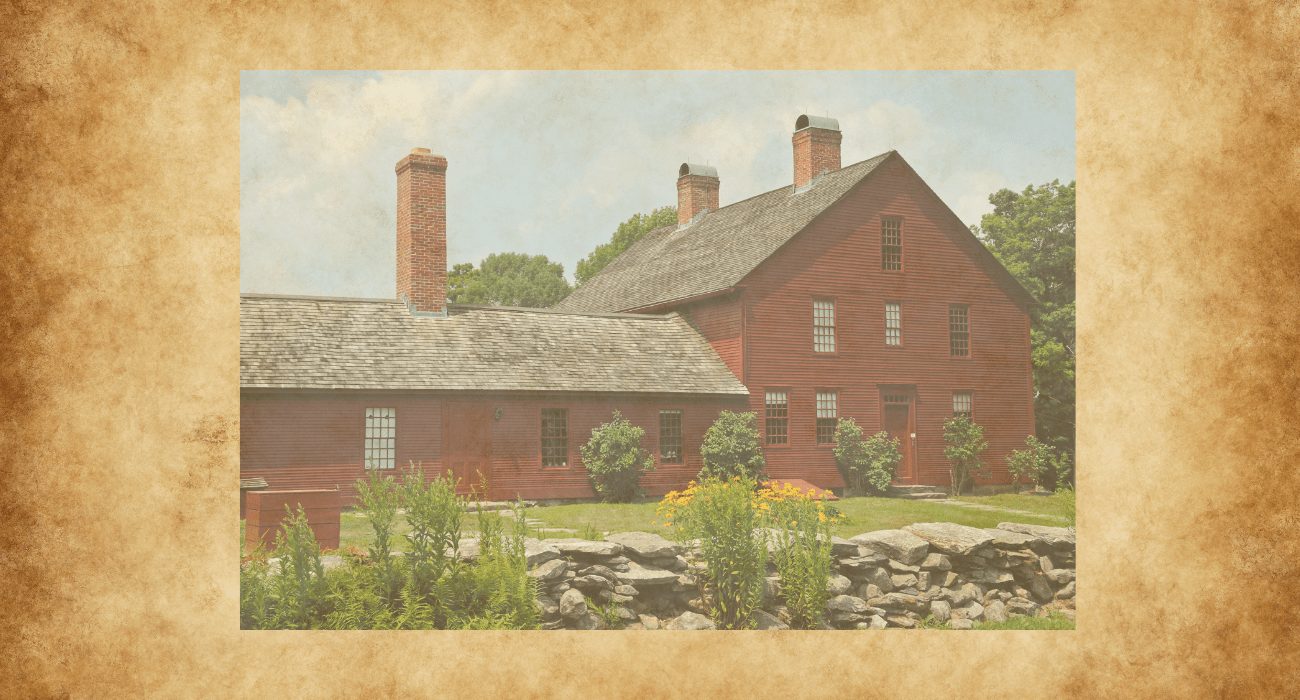
Land records are often the last record a genealogist checks. They can be challenging to navigate, and there’s a significant chance they do not indicate relationships. Yet, especially in colonial Connecticut, they are a must check document for one simple reason: land was key to a family’s survival. In an agrarian society, land was aContinue reading “Land Records: Key Part of Colonial Connecticut Research”
What is coverture, and why does it matter?
Coverture or coverture is a legal principle of English common law that was commonly applied in colonial America: it essentially made a married woman a part of her husband’s legal entity. Connecticut did not begin to chip away at the principle until the mid-19th century. Prior to that point, a married woman was subject toContinue reading “What is coverture, and why does it matter?”
Resources for researching the history of your Connecticut Home
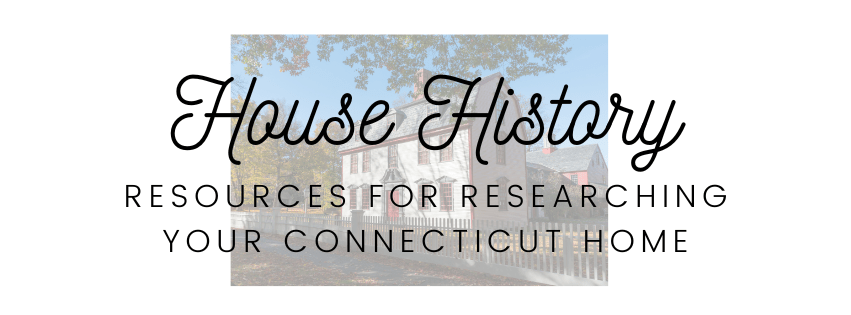
Historic homes were witnesses to Connecticut’s history. Connecticut’s oldest known home dates to 1639. Other buildings saw the American Revolution, the Industrial Revolution, and more. Telling the history of your home can help place it in the context of your community. It may even earn you tax credits! Land Records: For an overview of ConnecticutContinue reading “Resources for researching the history of your Connecticut Home”
Starting Your Holiday Shopping? Favorite Connecticut Genealogy Database Providers…

Database subscriptions are always a popular gift for genealogists. So which ones do I use most? Actually, my favorite site for Connecticut research is free! FamilySearch requires registration but does not charge. The site hosts older land records, images of church records, pre-1900 vital records, probate files, and more. Ancestry is great for Connecticut’s probateContinue reading “Starting Your Holiday Shopping? Favorite Connecticut Genealogy Database Providers…”
What was the 1780 quota act – and why does it matter?
And be it further enacted by the authority aforesaid, That the several towns within this State shall forthwith choose a committee who shall divide all the inhabitants thereof, who give in a list or are included in any militia roll, either of the trainband, alarm list or companies of horse, into as many classes accordingContinue reading “What was the 1780 quota act – and why does it matter?”
House of Hope
A trading fort rather than a colony, the House of Hope still played a major role in the settlement of colonial Connecticut. Established in 1633 by the Dutch under Jacob van Culer, the House of Hope was a trading post at the intersection of the Fresh River and the Little River.[1] The site, in today’sContinue reading “House of Hope”
Five Myths about Connecticut Vital Records (colonial period)
Connecticut required the filing of birth, death, and marriage record by the mid-1600s… Yet, the reality of what was recorded and when is a bit complicated. Here are five common myths about Connecticut vital records in the colonial period. Everyone has a birth, marriage, and death certificate as applicable. Unfortunately for researchers, this is absolutelyContinue reading “Five Myths about Connecticut Vital Records (colonial period)”

