
This is one of the most common errors I see with Connecticut Revolutionary War service – most often when someone is looking for lineage society membership. They’ve found DAR or SAR qualifying service for an ancestor of that name in Connecticut, somewhere, and believe that service must be for their ancestor. Unfortunately, it’s not thatContinue reading “Is this service right?: Connecticut Revolutionary War ancestor with service from a different town…”
Tag Archives: Connecticut
Why do families from Connecticut appear in Presbyterian records when they move to other states?

This had long been a point of confusion. Connecticut families tend to be Congregationalist by default prior to 1818; if they were not, they were often Baptist or Episcopal. Yet, when families migrated to new regions they often ended up in the Presbyterian Church. As it turns out, there’s a reason for the switch. InContinue reading “Why do families from Connecticut appear in Presbyterian records when they move to other states?”
5 Common Mistakes Genealogists Make When Researching Connecticut Families

Not paying attention to who holds what records and how to access them. If you’ve started your research outside of New England, Connecticut’s records storage system is going to seem strange. From vital records to be stored on the town level to district probate courts, Connecticut has its own unique systems. Taking some time learnContinue reading “5 Common Mistakes Genealogists Make When Researching Connecticut Families”
What collections host Connecticut historic maps?

Historic maps can be a valuable resource for envisioning our ancestors’ worlds, from helping us to see the placements of their residence to envisioning their neighbors. Here are a few of the collections that host Connecticut historic maps: The Sanborn Fire Insurance Maps can help you determine the placement and construction of buildings. Older ConnecticutContinue reading “What collections host Connecticut historic maps?”
Connecticut Genealogy on a Budget

Yes, genealogy is never a cheap hobby, but there are affordable resources. Check out FamilySearch. It’s a free genealogy site offered by the Church of the Latter Day Saints. They’ve made extensive digitization efforts, and as result, offer free access to images of many original records. Join one of the state’s genealogical societies. Connecticut SocietyContinue reading “Connecticut Genealogy on a Budget”
My Connecticut immigrant ancestor seems to be missing a vital record. What’s going on?
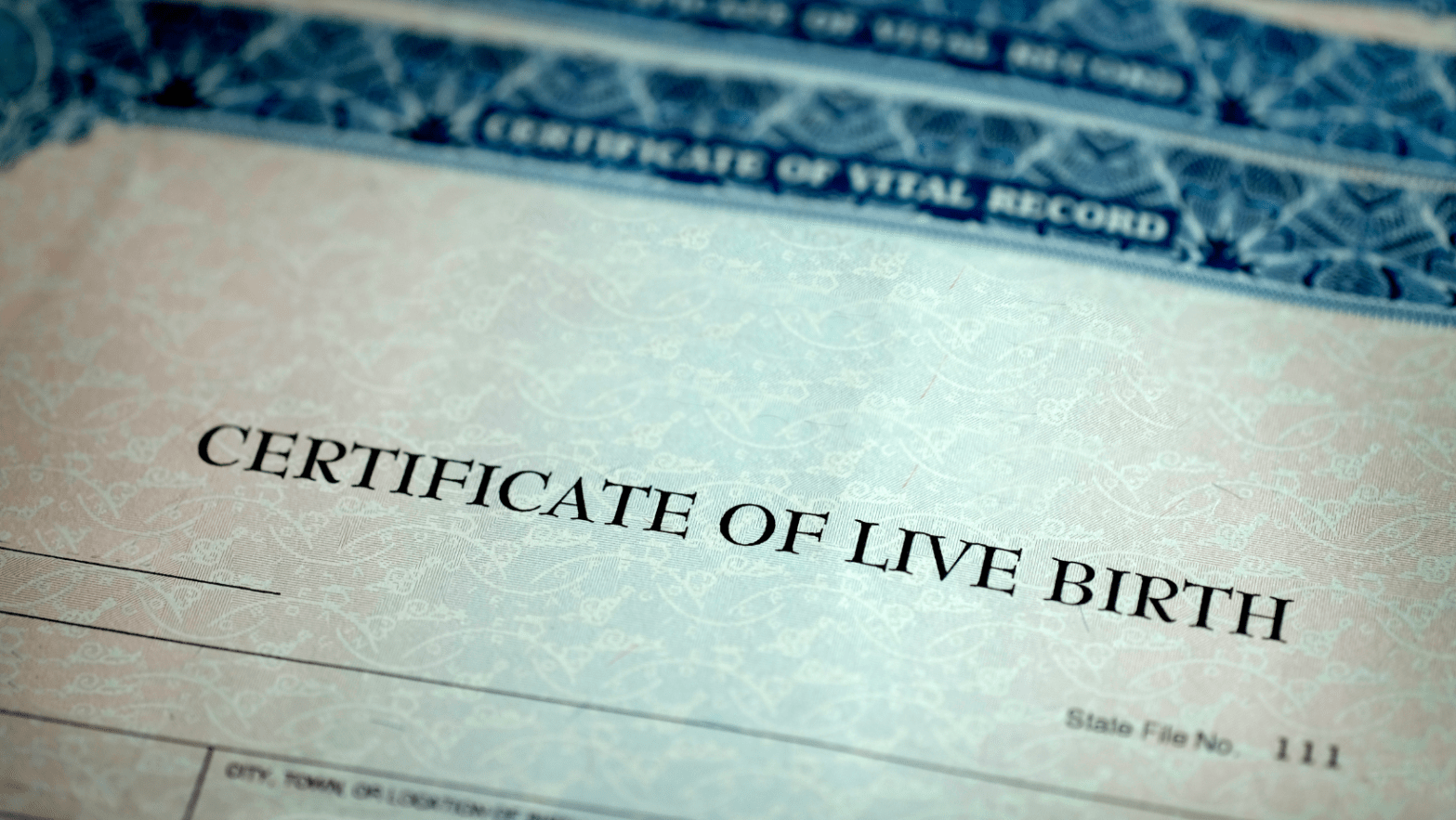
Connecticut began recording births, deaths, and marriages on the state level on 1 July 1897. In theory that means that any birth, death, or marriage on or after that date should be recorded in both the state vital records office and in the town clerk or health department in the town in which the eventContinue reading “My Connecticut immigrant ancestor seems to be missing a vital record. What’s going on?”
Two “Must Check” Sources Most Genealogists Miss When Researching Colonial Connecticut
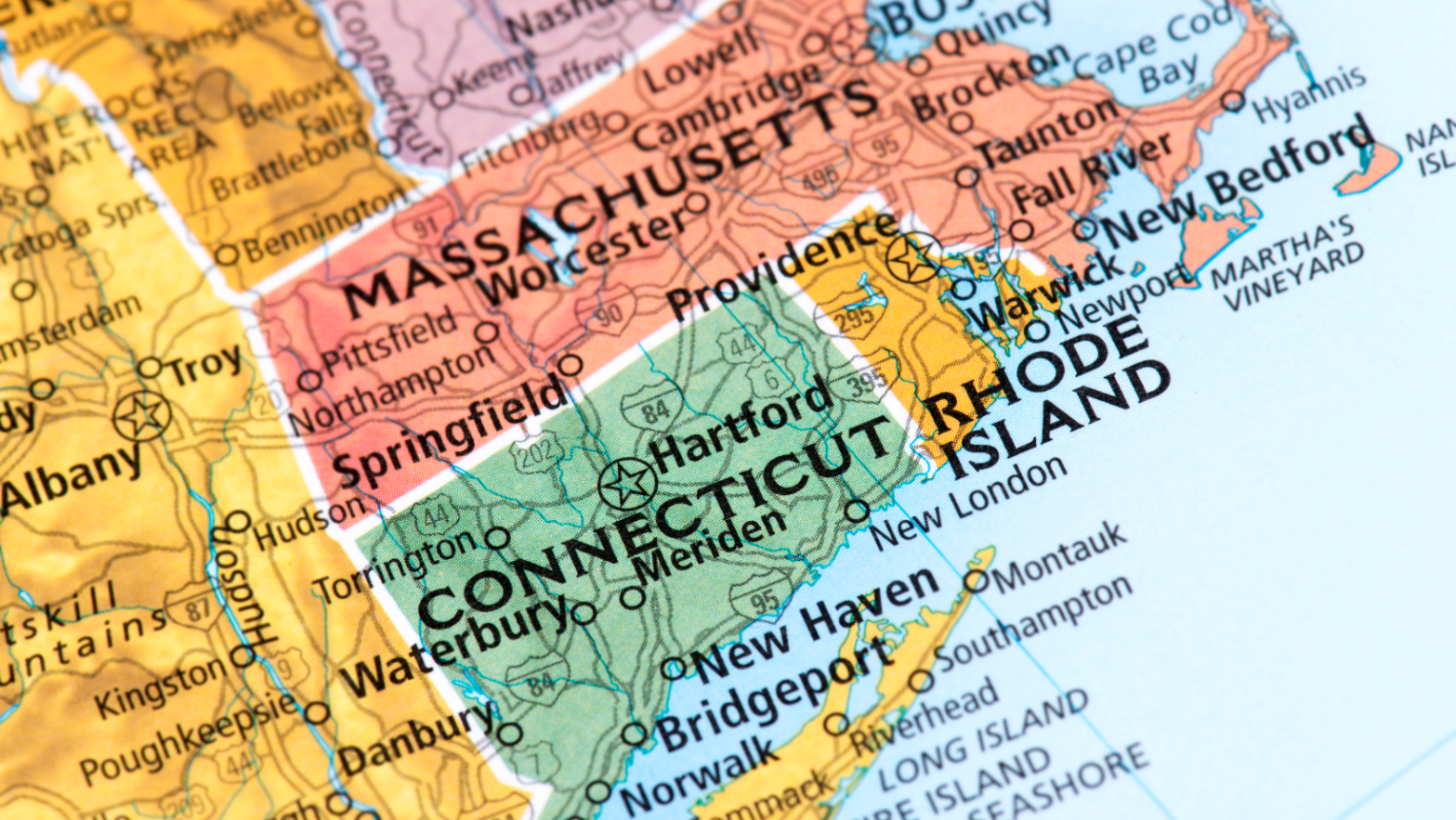
What documents should you check when researching a family in colonial Connecticut? Birth, death and marriage records (often people check the Barbour Collection instead); previous literature on the family; gravestone inscriptions (the Hale Collection); probate files; maybe manuscript or court records? There are two more “must check” sources that genealogists often miss. The first isContinue reading “Two “Must Check” Sources Most Genealogists Miss When Researching Colonial Connecticut”
Connecticut land record not in land records or probate? It might be a minister’s lease…
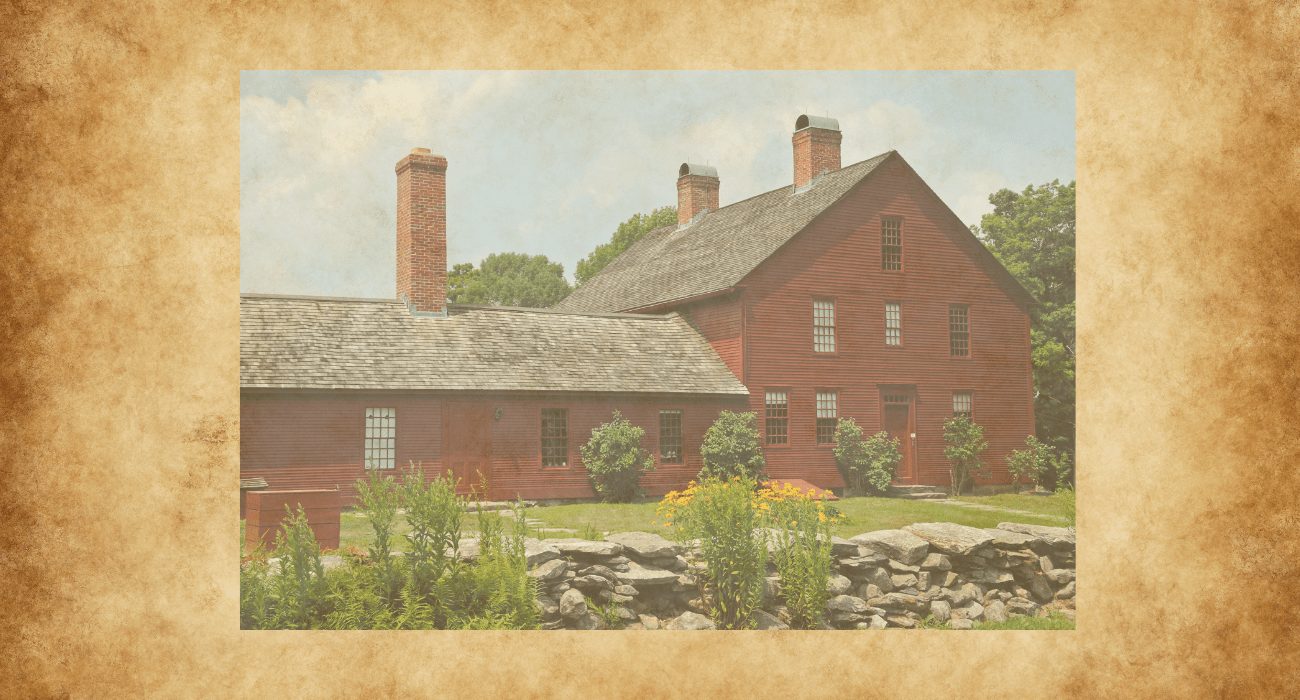
Until 1818, the Congregational Church was the established church of the state of Connecticut. As part of the governance of the church, the local community was expected to “settle a minister.” This meant finding a minister, paying their salary, and more. Sometimes, it meant granting or leasing them land. Fowler’s History of Durham, Connecticut recountsContinue reading “Connecticut land record not in land records or probate? It might be a minister’s lease…”
Born in Connecticut, died in New York?: Effectively Researching 18th and early 19th Century Migratory Connecticut Ancestors
Does the death record of your New York, Ohio, or Michigan ancestor list a birth place of Connecticut? Is there a profile in a county history listing a county of birth? It’s common for researchers to use that information to try to leap right into researching in Connecticut records… You shouldn’t. To start, you don’tContinue reading “Born in Connecticut, died in New York?: Effectively Researching 18th and early 19th Century Migratory Connecticut Ancestors”
Prince Mortimer of Middletown (purportedly 1724-1834): Examining Claims of Revolutionary War Service
Since the 2006 release of Denis Caron’s A Century in Captivity: The Life and Trials of Prince Mortimer, a Connecticut Slave, discussion of the life of Prince Mortimer of Middletown has largely centered around the trial for attempted murder that resulted in Mortimer’s imprisonment in Old New-Gate Prison.[1] Yet some studies of Mortimer haveContinue reading “Prince Mortimer of Middletown (purportedly 1724-1834): Examining Claims of Revolutionary War Service”

