Connecticut’s statewide “compliance date” for birth, death, and marriage records is 1 July 1897. Yet, it’s not unheard of to have a hard time finding vital records after that time period for an immigrant ancestor and can be very hard before, even though records were technically required. Why? There are two common reasons for missingContinue reading “My French-Canadian ancestor isn’t recorded in Connecticut vital records. How do I document their birth, marriage, or death?”
Tag Archives: Connecticut
Stuck on a Connecticut research problem? Here are five places you can go for help.

Have a specific question? Feel free to contact us!
Connecticut County Records: What do genealogists need to know?
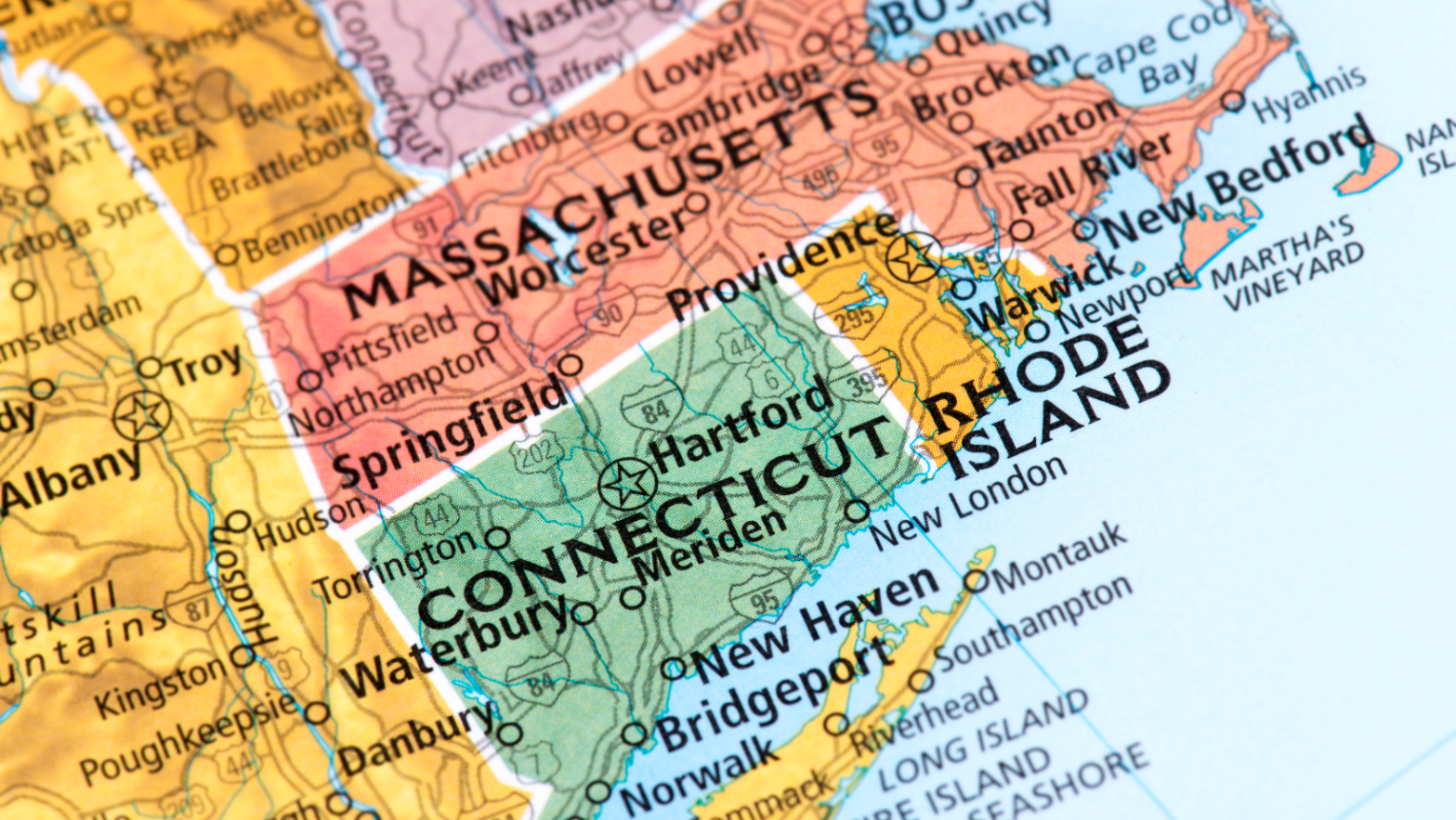
Connecticut’s county system was abolished 1 October 1960, meaning that no functions are currently managed by the county within the state. In a 1998 memo, Judy A. Watson listed 9 functions of the county government system at its peak: Genealogists will most likely run into county records when researching ancestors who a) interacted with theContinue reading “Connecticut County Records: What do genealogists need to know?”
Is this service right?: Connecticut Revolutionary War ancestor with service from a different town…

This is one of the most common errors I see with Connecticut Revolutionary War service – most often when someone is looking for lineage society membership. They’ve found DAR or SAR qualifying service for an ancestor of that name in Connecticut, somewhere, and believe that service must be for their ancestor. Unfortunately, it’s not thatContinue reading “Is this service right?: Connecticut Revolutionary War ancestor with service from a different town…”
Why do families from Connecticut appear in Presbyterian records when they move to other states?

This had long been a point of confusion. Connecticut families tend to be Congregationalist by default prior to 1818; if they were not, they were often Baptist or Episcopal. Yet, when families migrated to new regions they often ended up in the Presbyterian Church. As it turns out, there’s a reason for the switch. InContinue reading “Why do families from Connecticut appear in Presbyterian records when they move to other states?”
5 Common Mistakes Genealogists Make When Researching Connecticut Families

What collections host Connecticut historic maps?

Historic maps can be a valuable resource for envisioning our ancestors’ worlds, from helping us to see the placements of their residence to envisioning their neighbors. Here are a few of the collections that host Connecticut historic maps:
Connecticut Genealogy on a Budget

Yes, genealogy is never a cheap hobby, but there are affordable resources.
My Connecticut immigrant ancestor seems to be missing a vital record. What’s going on?
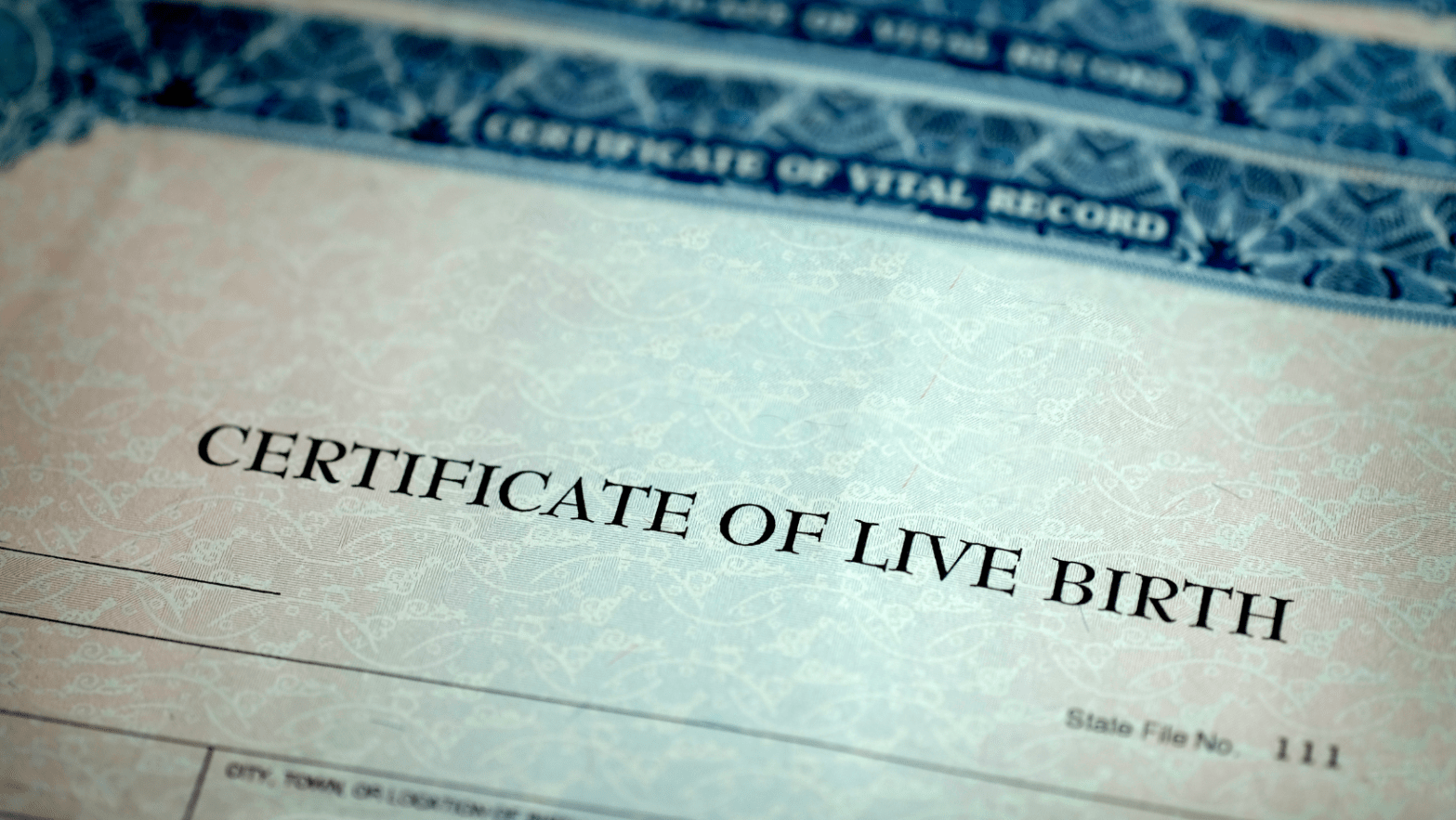
Connecticut began recording births, deaths, and marriages on the state level on 1 July 1897. In theory that means that any birth, death, or marriage on or after that date should be recorded in both the state vital records office and in the town clerk or health department in the town in which the eventContinue reading “My Connecticut immigrant ancestor seems to be missing a vital record. What’s going on?”
Two “Must Check” Sources Most Genealogists Miss When Researching Colonial Connecticut
What documents should you check when researching a family in colonial Connecticut? Birth, death and marriage records (often people check the Barbour Collection instead); previous literature on the family; gravestone inscriptions (the Hale Collection); probate files; maybe manuscript or court records? There are two more “must check” sources that genealogists often miss. The first isContinue reading “Two “Must Check” Sources Most Genealogists Miss When Researching Colonial Connecticut”
 Connecticut Roots by Charter Oak Genealogy