
When you’re getting started researching ancestors living in a new area, it can be easy to stick to familiar websites and databases. That may serve you well in some cases. In others, it may result in missing out on valuable educational opportunities and family records. Here are five new websites to try for researching ConnecticutContinue reading “5 Websites to Try for Researching Connecticut Genealogy”
Category Archives: Resources
How do I find my Connecticut ancestor’s obituary?
An obituary can be a valuable resource for genealogical research. Obituaries often list information on major life events, family relationships, and more. How do you find one for your Connecticut ancestor? Obituaries as we think of them today begin in the late 19th century. Prior to that, Connecticut newspapers tended to provide what are calledContinue reading “How do I find my Connecticut ancestor’s obituary?”
Connecticut County Records: What do genealogists need to know?
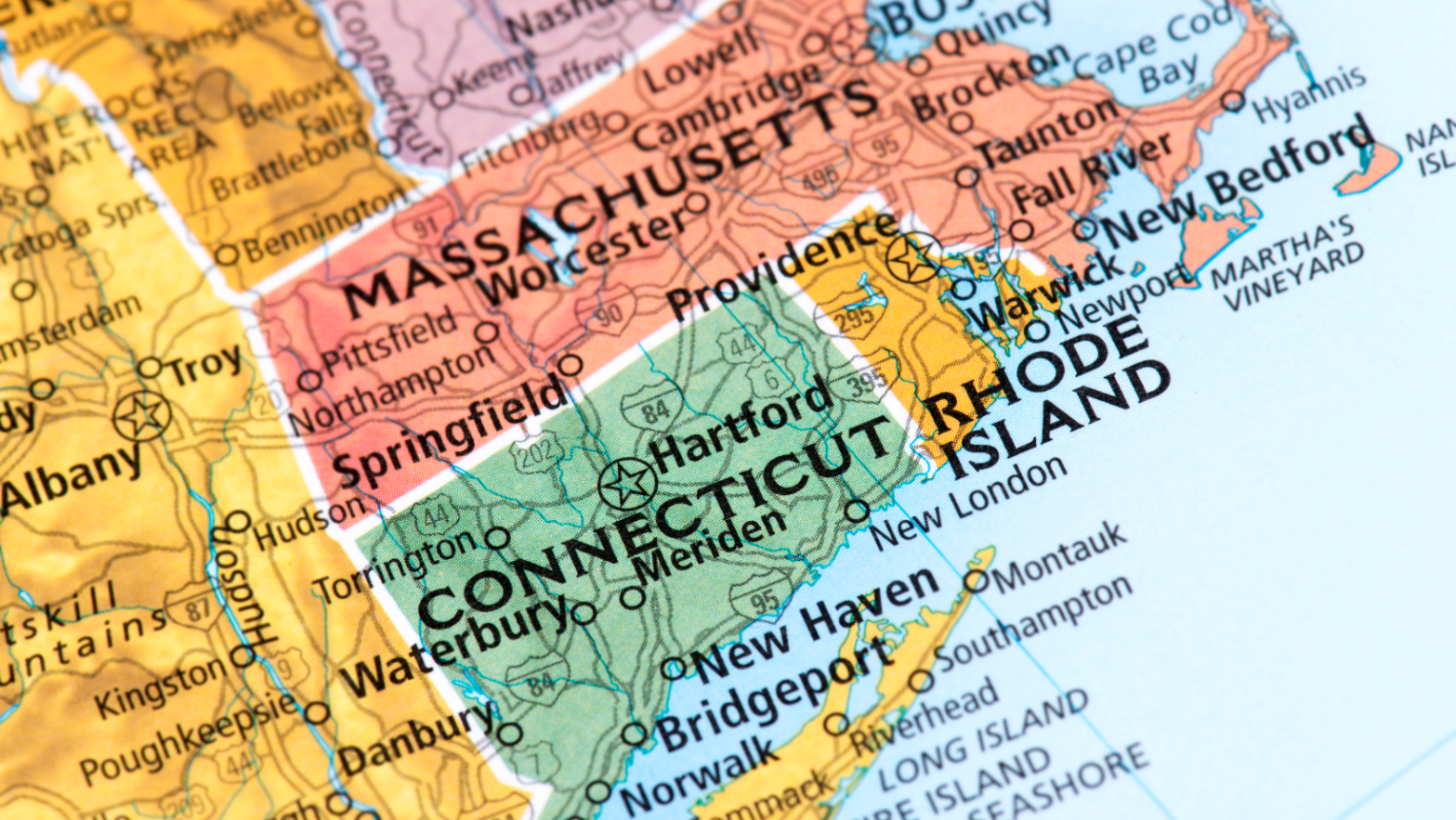
Connecticut’s county system was abolished 1 October 1960, meaning that no functions are currently managed by the county within the state. In a 1998 memo, Judy A. Watson listed 9 functions of the county government system at its peak: Genealogists will most likely run into county records when researching ancestors who a) interacted with theContinue reading “Connecticut County Records: What do genealogists need to know?”
5 Common Mistakes Genealogists Make When Researching Connecticut Families

What collections host Connecticut historic maps?

Historic maps can be a valuable resource for envisioning our ancestors’ worlds, from helping us to see the placements of their residence to envisioning their neighbors. Here are a few of the collections that host Connecticut historic maps:
Connecticut Genealogy on a Budget
Yes, genealogy is never a cheap hobby, but there are affordable resources.
1850-1897: The Years without a Connecticut Vital Records Index
The Barbour Collection covers vital records up to 1850; statewide recording of vital records (and subsequent indexes) starts on 1 July 1897. Between 1850 and 1897, however, you need to know the town where the birth, death or marriage occurred to find the record. These sources can help:
Two “Must Check” Sources Most Genealogists Miss When Researching Colonial Connecticut
What documents should you check when researching a family in colonial Connecticut? Birth, death and marriage records (often people check the Barbour Collection instead); previous literature on the family; gravestone inscriptions (the Hale Collection); probate files; maybe manuscript or court records? There are two more “must check” sources that genealogists often miss. The first isContinue reading “Two “Must Check” Sources Most Genealogists Miss When Researching Colonial Connecticut”
Historical Societies and Researching Your Connecticut Ancestor
One of the more frustrating moments in research is when a genealogist contacts a historical society about governmental records. Connecticut’s historical societies don’t typically hold governmental records (although some have ended up with records through transfers, dumpster diving and more)… How can they help with your genealogy research? … and more… While Connecticut’s historical societiesContinue reading “Historical Societies and Researching Your Connecticut Ancestor”
Born in Connecticut, died in New York?: Effectively Researching 18th and early 19th Century Migratory Connecticut Ancestors
Does the death record of your New York, Ohio, or Michigan ancestor list a birth place of Connecticut? Is there a profile in a county history listing a county of birth? It’s common for researchers to use that information to try to leap right into researching in Connecticut records… You shouldn’t. To start, you don’tContinue reading “Born in Connecticut, died in New York?: Effectively Researching 18th and early 19th Century Migratory Connecticut Ancestors”
 Connecticut Roots by Charter Oak Genealogy