
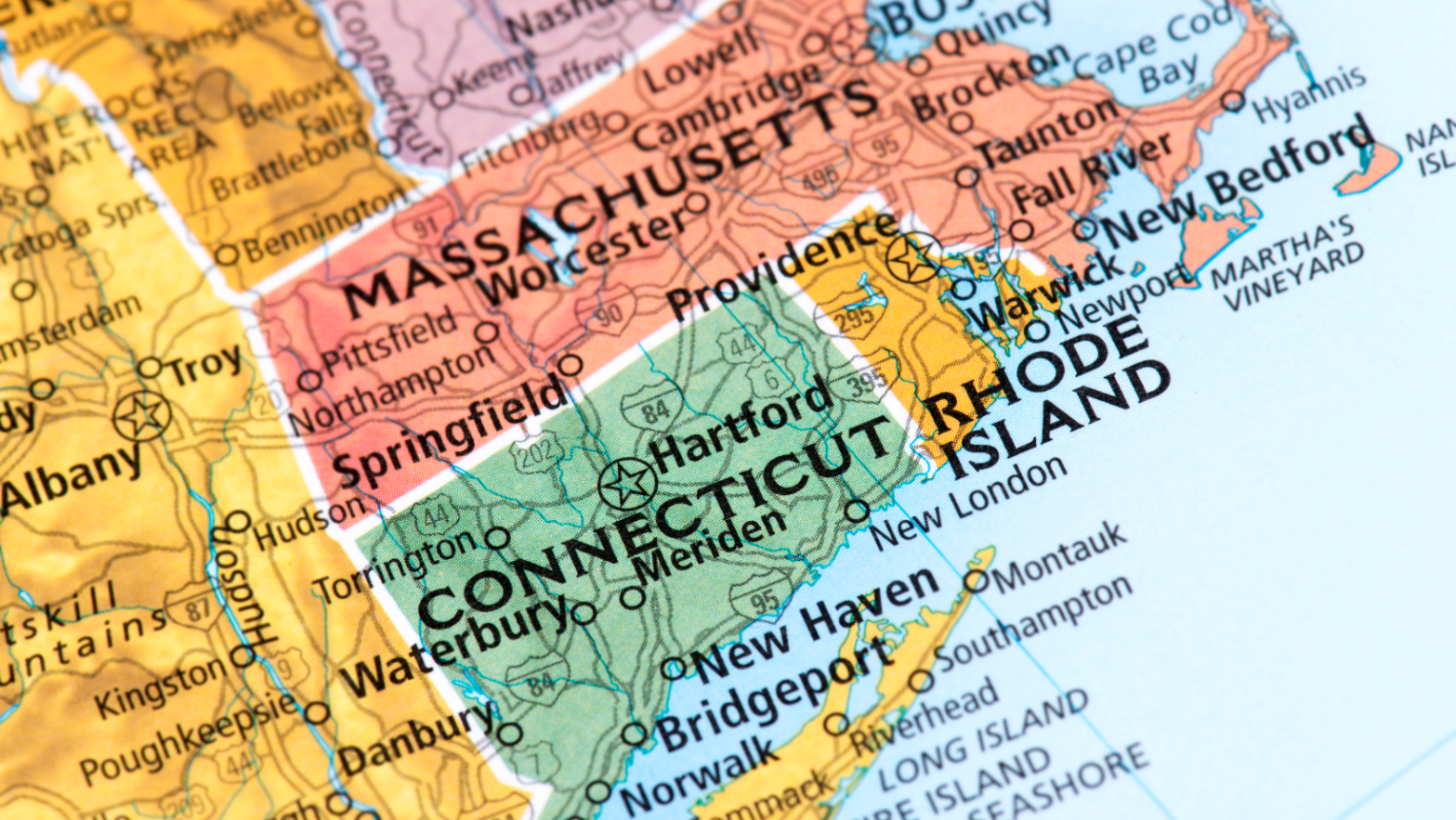
Historic maps can be a valuable resource for envisioning our ancestors’ worlds, from helping us to see the placements of their residence to envisioning their neighbors. Here are a few of the collections that host Connecticut historic maps: The Sanborn Fire Insurance Maps can help you determine the placement and construction of buildings. Older ConnecticutContinue reading “What collections host Connecticut historic maps?”
Category Archives: Resources
Connecticut Genealogy on a Budget

Yes, genealogy is never a cheap hobby, but there are affordable resources. Check out FamilySearch. It’s a free genealogy site offered by the Church of the Latter Day Saints. They’ve made extensive digitization efforts, and as result, offer free access to images of many original records. Join one of the state’s genealogical societies. Connecticut SocietyContinue reading “Connecticut Genealogy on a Budget”
1850-1897: The Years without a Connecticut Vital Records Index
The Barbour Collection covers vital records up to 1850; statewide recording of vital records (and subsequent indexes) starts on 1 July 1897. Between 1850 and 1897, however, you need to know the town where the birth, death or marriage occurred to find the record. These sources can help: Newspapers: Although detailed obituaries didn’t begin untilContinue reading “1850-1897: The Years without a Connecticut Vital Records Index”
Two “Must Check” Sources Most Genealogists Miss When Researching Colonial Connecticut
What documents should you check when researching a family in colonial Connecticut? Birth, death and marriage records (often people check the Barbour Collection instead); previous literature on the family; gravestone inscriptions (the Hale Collection); probate files; maybe manuscript or court records? There are two more “must check” sources that genealogists often miss. The first isContinue reading “Two “Must Check” Sources Most Genealogists Miss When Researching Colonial Connecticut”
Historical Societies and Researching Your Connecticut Ancestor
One of the more frustrating moments in research is when a genealogist contacts a historical society about governmental records. Connecticut’s historical societies don’t typically hold governmental records (although some have ended up with records through transfers, dumpster diving and more)… How can they help with your genealogy research? Reference assistance: The Historical Society of GlastonburyContinue reading “Historical Societies and Researching Your Connecticut Ancestor”
Born in Connecticut, died in New York?: Effectively Researching 18th and early 19th Century Migratory Connecticut Ancestors
Does the death record of your New York, Ohio, or Michigan ancestor list a birth place of Connecticut? Is there a profile in a county history listing a county of birth? It’s common for researchers to use that information to try to leap right into researching in Connecticut records… You shouldn’t. To start, you don’tContinue reading “Born in Connecticut, died in New York?: Effectively Researching 18th and early 19th Century Migratory Connecticut Ancestors”
Rethinking the Historical Approach: Using Genealogy to Tell the Story of a Veteran of Color, Pvt. Sharp Liberty, Connecticut Continental Line
Rethinking the Approach In recent years, scholars of Connecticut history have begun to grapple with the prior discussions of the participation of Connecticut soldiers of color in the American Revolution. As one historiographical study notes, the easy accessibility of two problematic texts on the subject online poses potential issues to future research. The author describesContinue reading “Rethinking the Historical Approach: Using Genealogy to Tell the Story of a Veteran of Color, Pvt. Sharp Liberty, Connecticut Continental Line”
Land Records: Key Part of Colonial Connecticut Research
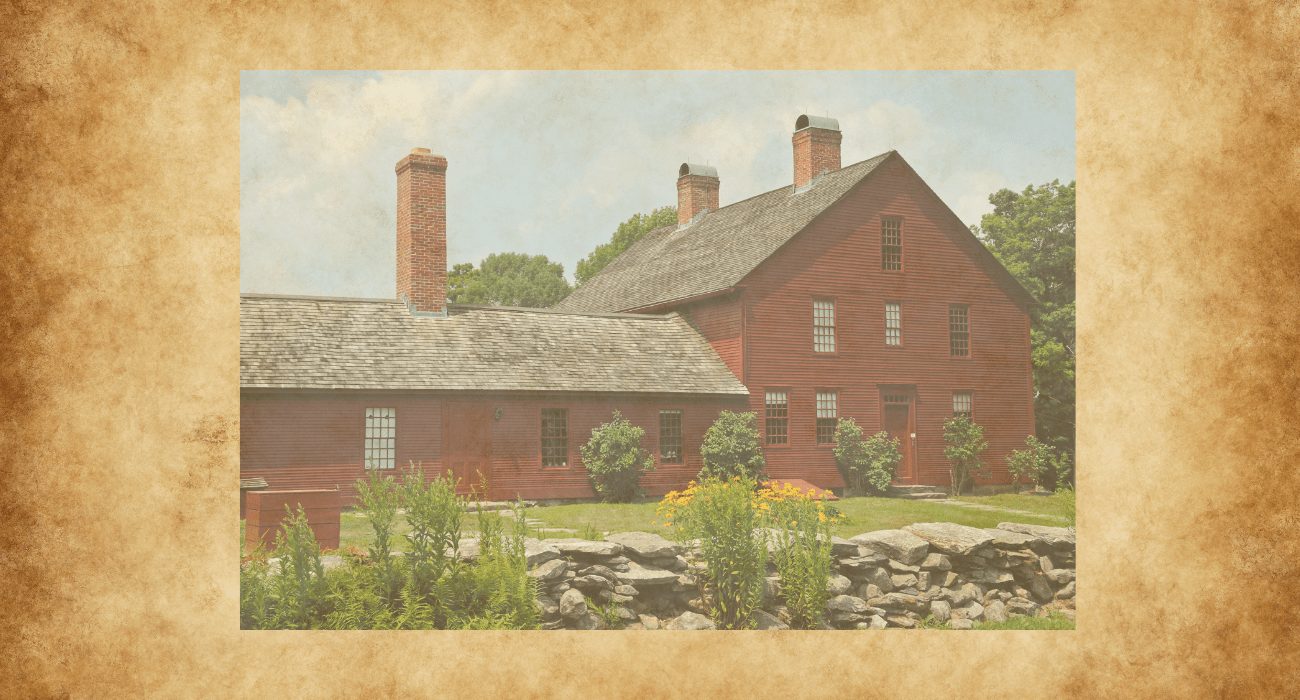
Land records are often the last record a genealogist checks. They can be challenging to navigate, and there’s a significant chance they do not indicate relationships. Yet, especially in colonial Connecticut, they are a must check document for one simple reason: land was key to a family’s survival. In an agrarian society, land was aContinue reading “Land Records: Key Part of Colonial Connecticut Research”
What is coverture, and why does it matter?
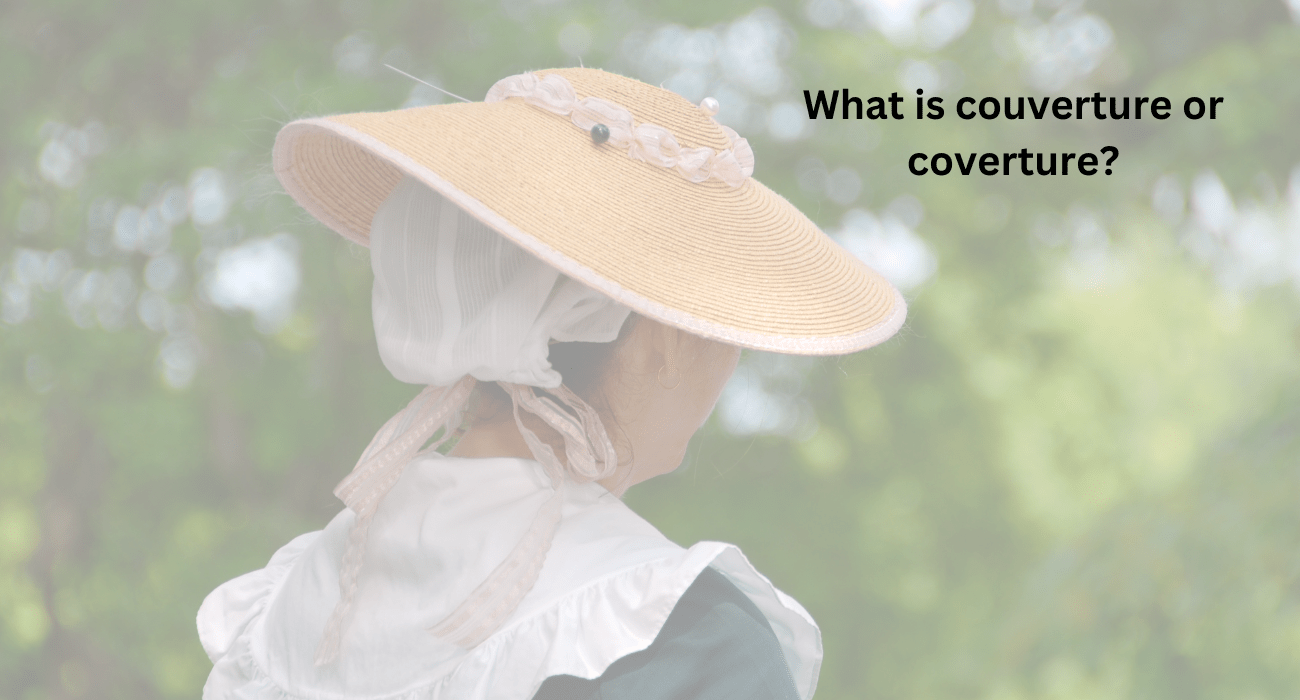
Coverture or coverture is a legal principle of English common law that was commonly applied in colonial America: it essentially made a married woman a part of her husband’s legal entity. Connecticut did not begin to chip away at the principle until the mid-19th century. Prior to that point, a married woman was subject toContinue reading “What is coverture, and why does it matter?”
Resources for researching the history of your Connecticut Home
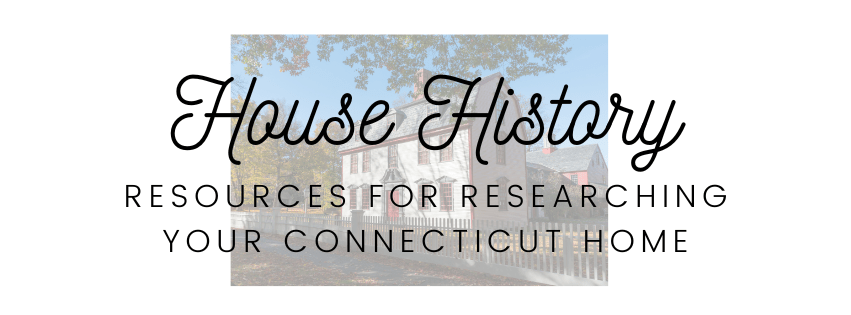
Historic homes were witnesses to Connecticut’s history. Connecticut’s oldest known home dates to 1639. Other buildings saw the American Revolution, the Industrial Revolution, and more. Telling the history of your home can help place it in the context of your community. It may even earn you tax credits! Land Records: For an overview of ConnecticutContinue reading “Resources for researching the history of your Connecticut Home”

