
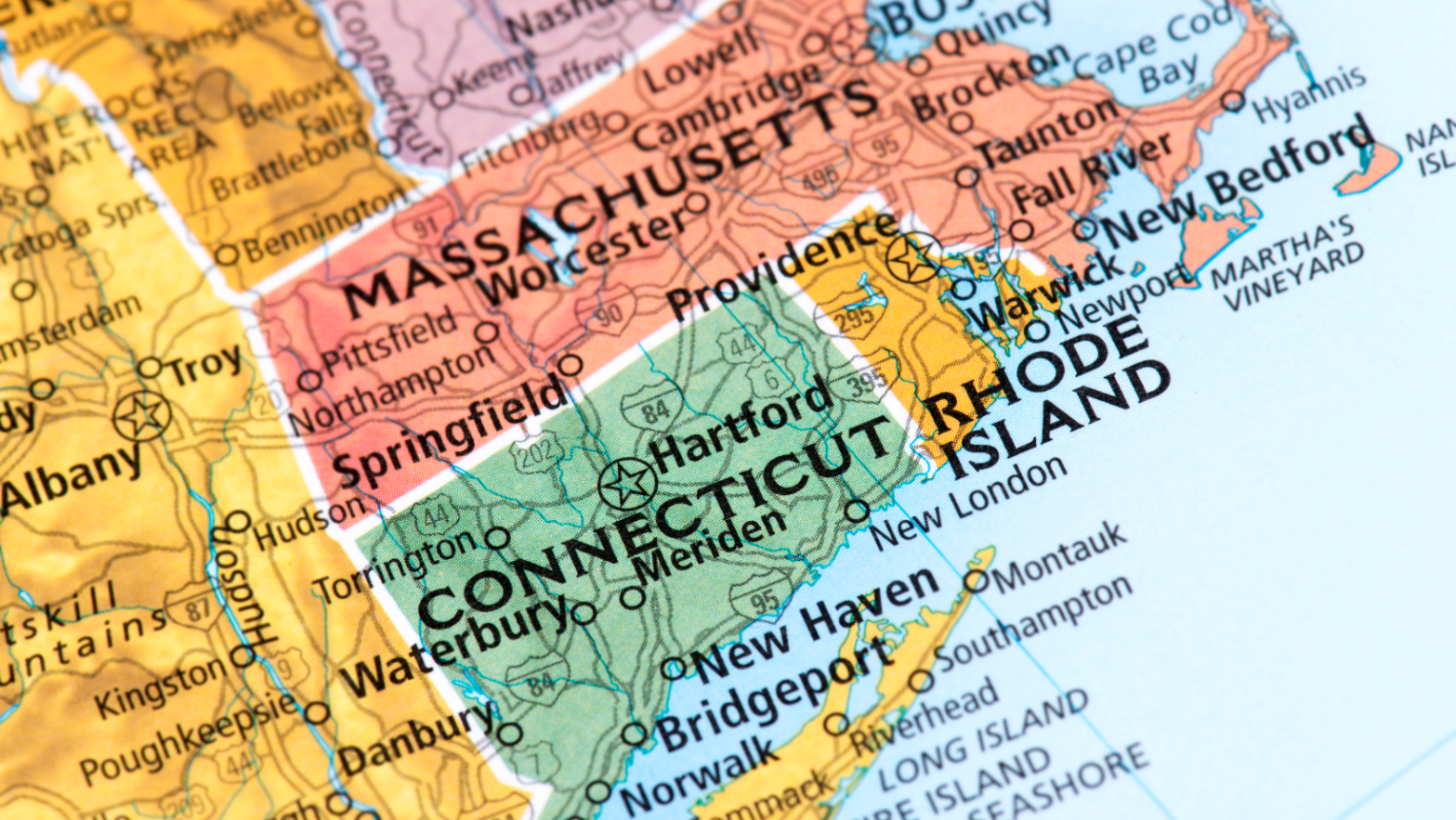
Historic maps can be a valuable resource for envisioning our ancestors’ worlds, from helping us to see the placements of their residence to envisioning their neighbors. Here are a few of the collections that host Connecticut historic maps:
Author Archives: Bryna O'Sullivan
Connecticut Genealogy on a Budget

Yes, genealogy is never a cheap hobby, but there are affordable resources.
Is ChatGPT reliable for locating Connecticut genealogical records?
ChatGPT has become a popular topic of discussion in genealogy fields. Many genealogists are trying to use it locate historical context or determine where to look for ancestral records. But does it actually work? I ran a test case using the free version as of 25 June 2025. Some of this material is right. SomeContinue reading “Is ChatGPT reliable for locating Connecticut genealogical records?”
My Connecticut immigrant ancestor seems to be missing a vital record. What’s going on?
Connecticut began recording births, deaths, and marriages on the state level on 1 July 1897. In theory that means that any birth, death, or marriage on or after that date should be recorded in both the state vital records office and in the town clerk or health department in the town in which the eventContinue reading “My Connecticut immigrant ancestor seems to be missing a vital record. What’s going on?”
1850-1897: The Years without a Connecticut Vital Records Index
The Barbour Collection covers vital records up to 1850; statewide recording of vital records (and subsequent indexes) starts on 1 July 1897. Between 1850 and 1897, however, you need to know the town where the birth, death or marriage occurred to find the record. These sources can help:
Two “Must Check” Sources Most Genealogists Miss When Researching Colonial Connecticut
What documents should you check when researching a family in colonial Connecticut? Birth, death and marriage records (often people check the Barbour Collection instead); previous literature on the family; gravestone inscriptions (the Hale Collection); probate files; maybe manuscript or court records? There are two more “must check” sources that genealogists often miss. The first isContinue reading “Two “Must Check” Sources Most Genealogists Miss When Researching Colonial Connecticut”
What’s a literature search – and why does it matter for researching your Connecticut ancestors?

Literature searches aren’t talked about much in genealogy anymore… A quick internet search returned blog entries from 2012-2015 but not much more recent. Yet, it’s still a valuable starting point for Connecticut genealogy projects, especially for colonial research. … and once you’ve finished your research, perhaps it’s time to consider adding your own literature toContinue reading “What’s a literature search – and why does it matter for researching your Connecticut ancestors?”
Connecticut land record not in land records or probate? It might be a minister’s lease…
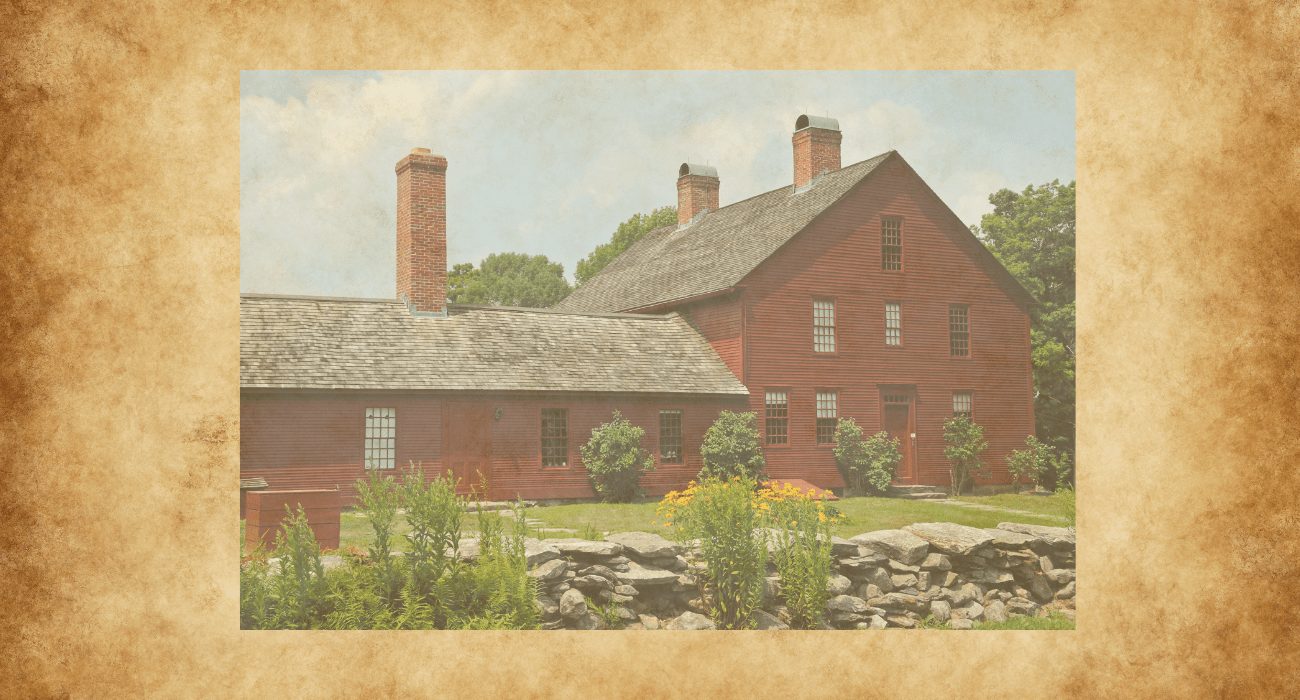
Until 1818, the Congregational Church was the established church of the state of Connecticut. As part of the governance of the church, the local community was expected to “settle a minister.” This meant finding a minister, paying their salary, and more. Sometimes, it meant granting or leasing them land. Fowler’s History of Durham, Connecticut recountsContinue reading “Connecticut land record not in land records or probate? It might be a minister’s lease…”
Myth or Truth: Were Connecticut men of color conscripted as body servants under the 1780 quota act?

Based on the available evidence, this is a myth. To learn more about the 1780 quota act, see a prior blog post. In short, the quota act required “classes” or subgroups of militia in each town to provide “a good able-bodied effective recruit” to serve on the Continental Line. The wording of the act stronglyContinue reading “Myth or Truth: Were Connecticut men of color conscripted as body servants under the 1780 quota act?”
Historical Societies and Researching Your Connecticut Ancestor
One of the more frustrating moments in research is when a genealogist contacts a historical society about governmental records. Connecticut’s historical societies don’t typically hold governmental records (although some have ended up with records through transfers, dumpster diving and more)… How can they help with your genealogy research? … and more… While Connecticut’s historical societiesContinue reading “Historical Societies and Researching Your Connecticut Ancestor”
 Connecticut Roots by Charter Oak Genealogy