The records of your ancestors are shaped by what was happening around them. Sometimes that was changes in law; sometimes changes in politics; sometimes warfare; something else. Here are five crucial dates in the history of 17th century colonial Connecticut that may impact your genealogy research: What else was happening in this period? King Philip’sContinue reading “5 Crucial Dates in 17th Century Colonial Connecticut History That May Impact Your Genealogy”
Author Archives: Bryna O'Sullivan
5 Tips for Researching a Connecticut Ancestor’s Civil War Service
Veteran’s Death Index
A project of the Connecticut State Library, the Veteran’s Death Index can be helpful for documenting service or veteran burial locations through the early 1980s. Cards may include the veteran’s name, war, age, death and burial location, service information, and source of the information. Cards may cover both in state burials and out of stateContinue reading “Veteran’s Death Index”
Land Records: Key Part of Colonial Connecticut Research
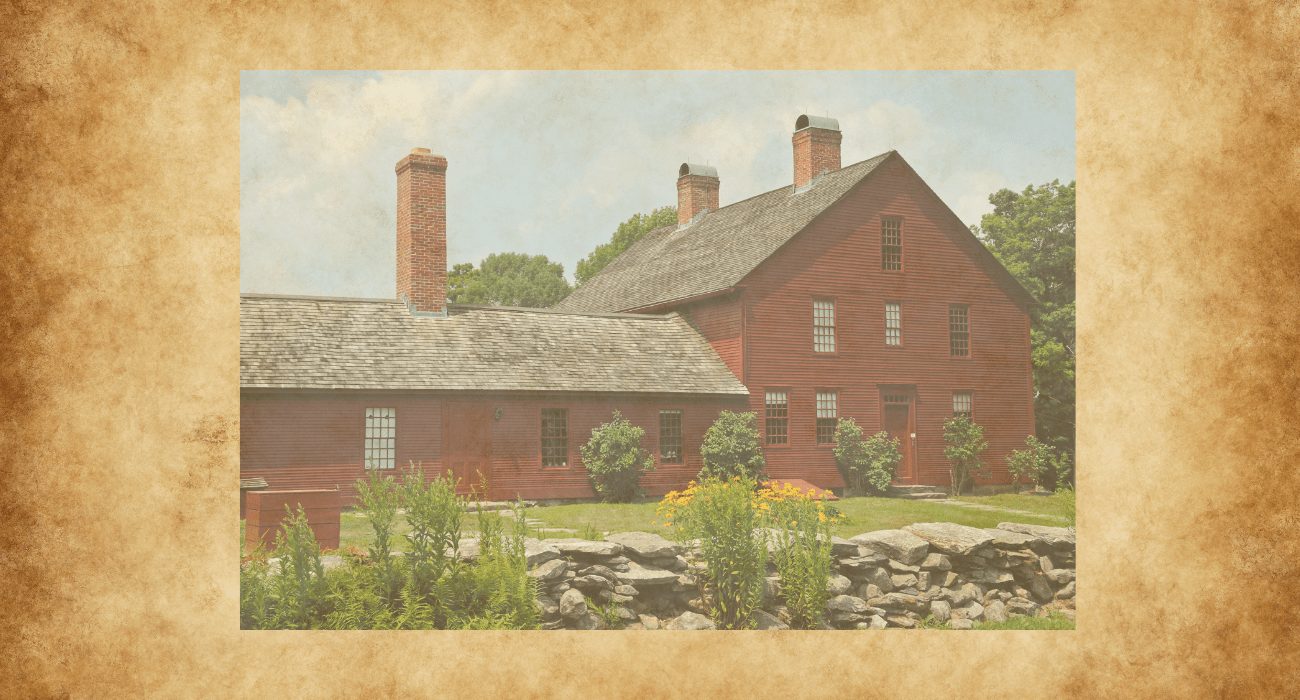
Land records are often the last record a genealogist checks. They can be challenging to navigate, and there’s a significant chance they do not indicate relationships. Yet, especially in colonial Connecticut, they are a must check document for one simple reason: land was key to a family’s survival. In an agrarian society, land was aContinue reading “Land Records: Key Part of Colonial Connecticut Research”
What is coverture, and why does it matter?

Coverture or coverture is a legal principle of English common law that was commonly applied in colonial America: it essentially made a married woman a part of her husband’s legal entity. Connecticut did not begin to chip away at the principle until the mid-19th century. Prior to that point, a married woman was subject toContinue reading “What is coverture, and why does it matter?”
Resources for researching the history of your Connecticut Home
Historic homes were witnesses to Connecticut’s history. Connecticut’s oldest known home dates to 1639. Other buildings saw the American Revolution, the Industrial Revolution, and more. Telling the history of your home can help place it in the context of your community. It may even earn you tax credits! Land Records: Architectural Resources Tax Credit Programs:
What sources do you need to check to answer a question about an ancestor in colonial Connecticut?
If you’ve done genealogy for long enough, you’ve probably heard mention of the “Genealogical Proof Standard” and the idea of “reasonably exhaustive research.” That standard is designed to help genealogists ensure that their conclusions are well reasoned and based on an accurate reading of the evidence. Reasonably exhaustive research means that you’ve checked all ofContinue reading “What sources do you need to check to answer a question about an ancestor in colonial Connecticut?”
Starting Your Holiday Shopping? Favorite Connecticut Genealogy Database Providers…

Database subscriptions are always a popular gift for genealogists. So which ones do I use most? Actually, my favorite site for Connecticut research is free! FamilySearch requires registration but does not charge. The site hosts older land records, images of church records, pre-1900 vital records, probate files, and more. Ancestry is great for Connecticut’s probateContinue reading “Starting Your Holiday Shopping? Favorite Connecticut Genealogy Database Providers…”
What was the 1780 quota act – and why does it matter?
And be it further enacted by the authority aforesaid, That the several towns within this State shall forthwith choose a committee who shall divide all the inhabitants thereof, who give in a list or are included in any militia roll, either of the trainband, alarm list or companies of horse, into as many classes accordingContinue reading “What was the 1780 quota act – and why does it matter?”
My Ancestor should have a Connecticut death record, but I can’t find it. Why?
If your ancestor died after 1900, they should have a death record. Connecticut began statewide recording on 1 July 1897, so compliance improved dramatically at that point. Yet, sometimes you still can’t find a record. Very rarely, there is actually not a record. It’s more common to just miss it. Why? There are two commonContinue reading “My Ancestor should have a Connecticut death record, but I can’t find it. Why?”
 Connecticut Roots by Charter Oak Genealogy