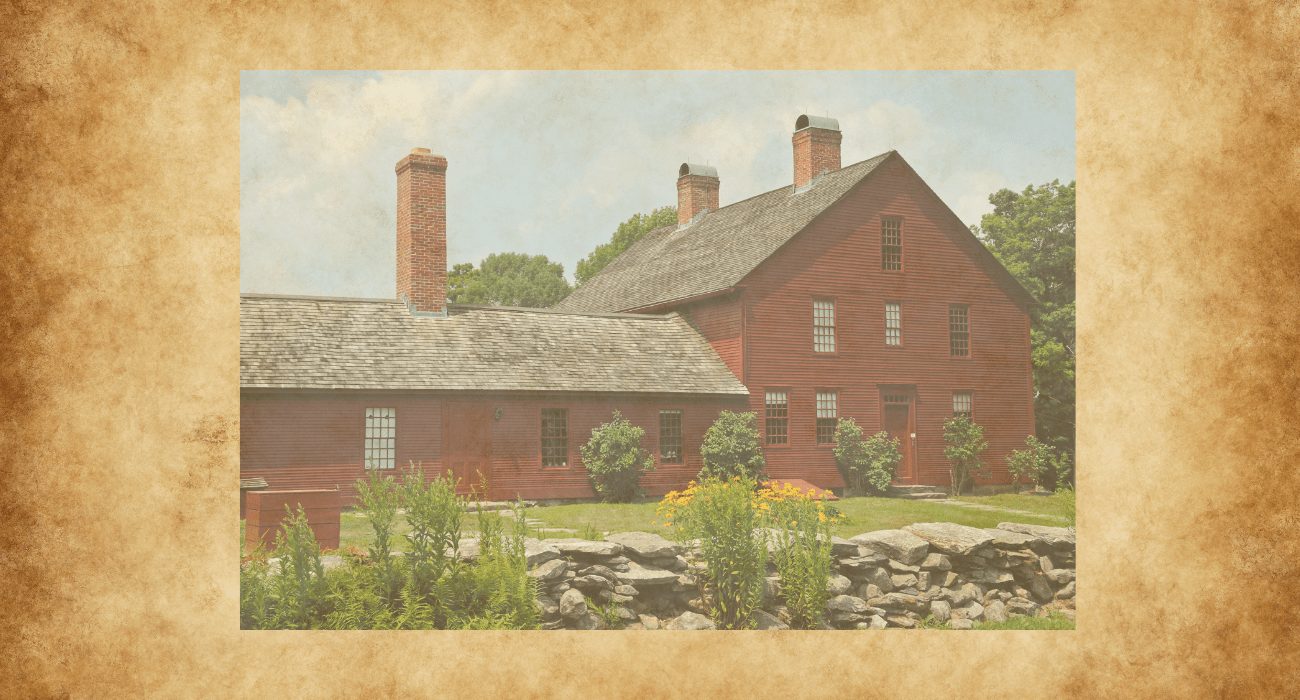
Until 1818, the Congregational Church was the established church of the state of Connecticut. As part of the governance of the church, the local community was expected to “settle a minister.” This meant finding a minister, paying their salary, and more. Sometimes, it meant granting or leasing them land. Fowler’s History of Durham, Connecticut recountsContinue reading “Connecticut land record not in land records or probate? It might be a minister’s lease…”
Tag Archives: History
Born in Connecticut, died in New York?: Effectively Researching 18th and early 19th Century Migratory Connecticut Ancestors
Does the death record of your New York, Ohio, or Michigan ancestor list a birth place of Connecticut? Is there a profile in a county history listing a county of birth? It’s common for researchers to use that information to try to leap right into researching in Connecticut records… You shouldn’t. To start, you don’tContinue reading “Born in Connecticut, died in New York?: Effectively Researching 18th and early 19th Century Migratory Connecticut Ancestors”
What did your ancestor’s Connecticut farm look like?

I’ve spent a lot of time explaining why New England farms are different from farms in the Midwest over the last few weeks. Since the reasons are grounded in history and can help you better understand why your ancestor’s farm did or did not look a certain way, I thought a blog post might beContinue reading “What did your ancestor’s Connecticut farm look like?”
Prince Mortimer of Middletown (purportedly 1724-1834): Examining Claims of Revolutionary War Service
Since the 2006 release of Denis Caron’s A Century in Captivity: The Life and Trials of Prince Mortimer, a Connecticut Slave, discussion of the life of Prince Mortimer of Middletown has largely centered around the trial for attempted murder that resulted in Mortimer’s imprisonment in Old New-Gate Prison.[1] Yet some studies of Mortimer haveContinue reading “Prince Mortimer of Middletown (purportedly 1724-1834): Examining Claims of Revolutionary War Service”
Rethinking the Historical Approach: Using Genealogy to Tell the Story of a Veteran of Color, Pvt. Sharp Liberty, Connecticut Continental Line

Rethinking the Approach In recent years, scholars of Connecticut history have begun to grapple with the prior discussions of the participation of Connecticut soldiers of color in the American Revolution. As one historiographical study notes, the easy accessibility of two problematic texts on the subject online poses potential issues to future research. The author describesContinue reading “Rethinking the Historical Approach: Using Genealogy to Tell the Story of a Veteran of Color, Pvt. Sharp Liberty, Connecticut Continental Line”
5 Crucial Dates in 17th Century Colonial Connecticut History That May Impact Your Genealogy
The records of your ancestors are shaped by what was happening around them. Sometimes that was changes in law; sometimes changes in politics; sometimes warfare; something else. Here are five crucial dates in the history of 17th century colonial Connecticut that may impact your genealogy research: What else was happening in this period? King Philip’sContinue reading “5 Crucial Dates in 17th Century Colonial Connecticut History That May Impact Your Genealogy”
5 Tips for Researching a Connecticut Ancestor’s Civil War Service
Resources for researching the history of your Connecticut Home
Historic homes were witnesses to Connecticut’s history. Connecticut’s oldest known home dates to 1639. Other buildings saw the American Revolution, the Industrial Revolution, and more. Telling the history of your home can help place it in the context of your community. It may even earn you tax credits! Land Records: Architectural Resources Tax Credit Programs:
What sources do you need to check to answer a question about an ancestor in colonial Connecticut?
If you’ve done genealogy for long enough, you’ve probably heard mention of the “Genealogical Proof Standard” and the idea of “reasonably exhaustive research.” That standard is designed to help genealogists ensure that their conclusions are well reasoned and based on an accurate reading of the evidence. Reasonably exhaustive research means that you’ve checked all ofContinue reading “What sources do you need to check to answer a question about an ancestor in colonial Connecticut?”
What was the 1780 quota act – and why does it matter?
And be it further enacted by the authority aforesaid, That the several towns within this State shall forthwith choose a committee who shall divide all the inhabitants thereof, who give in a list or are included in any militia roll, either of the trainband, alarm list or companies of horse, into as many classes accordingContinue reading “What was the 1780 quota act – and why does it matter?”
 Connecticut Roots by Charter Oak Genealogy