
Myth. 100% myth. Originals of the birth records are held in the town hall or the town vital records office. They have not been transferred to the State Library. Some records still in the towns have been microfilmed (and digitized) by FamilySearch, and that’s what you’d be reviewing at the State Library. If you areContinue reading “Truth or Myth: The older birth certificates were transferred from my ancestor’s Connecticut town to the State Library”
Tag Archives: Connecticut
Struggling to determine an ancestor’s church affiliation? Have you checked the tax records?

Connecticut had an establishment or state church until 1818. That meant many Connecticut residents – but not all – were Congregationalist by default. Yet, the Baptist and Episcopal Churches had a foothold in the state well prior to 1818. How do you determine which of the denominations your ancestor attended? While it is possible toContinue reading “Struggling to determine an ancestor’s church affiliation? Have you checked the tax records?”
5 Common Connecticut Research Mistakes – and How to Avoid them

As a Connecticut genealogist, I see a few common mistakes happen over and over. Here are the most common research mistakes – and how to avoid them.
How do I locate a Connecticut manumission record?

Connecticut established “Gradual Emanicipation” in 1784, but it applied only to those born after March first of that year. For those already held in slavery, the route out was through manumission, the process by which the enslaver legally released the person held in slavery from enslavement. Connecticut had a process for accomplishing this goal. (SeeContinue reading “How do I locate a Connecticut manumission record?”
Connecticut and the Firelands

The Origins of the Firelands: According to the Connecticut State Library, the Firelands were created as a result of the state of Connecticut’s attempts to recompense property owners for their losses after British attacks on Danbury, Fairfield, Norwalk, New London, and New Haven. In 1792, 500,000 acres of the Western Reserve was provided to survivorsContinue reading “Connecticut and the Firelands”
What are the overseers of the poor, and how can they impact the research of my Connecticut ancestor?
Connecticut had a public welfare system in place by 1702. The law read: Be in enacted and declared by the Governour, Council, and Representatives, in General Court Assembled, and by the Authority of the same, That when and so often as it shall happen, any person to be naturally wanting of understanding, so as toContinue reading “What are the overseers of the poor, and how can they impact the research of my Connecticut ancestor?”
Why did the town indenture my Connecticut ancestor?

19th century Connecticut newspapers include ads to reclaim those who had escaped indenture. Indenture, on the basic level, meant that someone “bound” themselves to an employer to work for a set period of time in exchange for some form of reward. Why do some of those ads mention the town as the ones doing theContinue reading “Why did the town indenture my Connecticut ancestor?”
The Hale Collection: A Resource for Cemetery Inscriptions
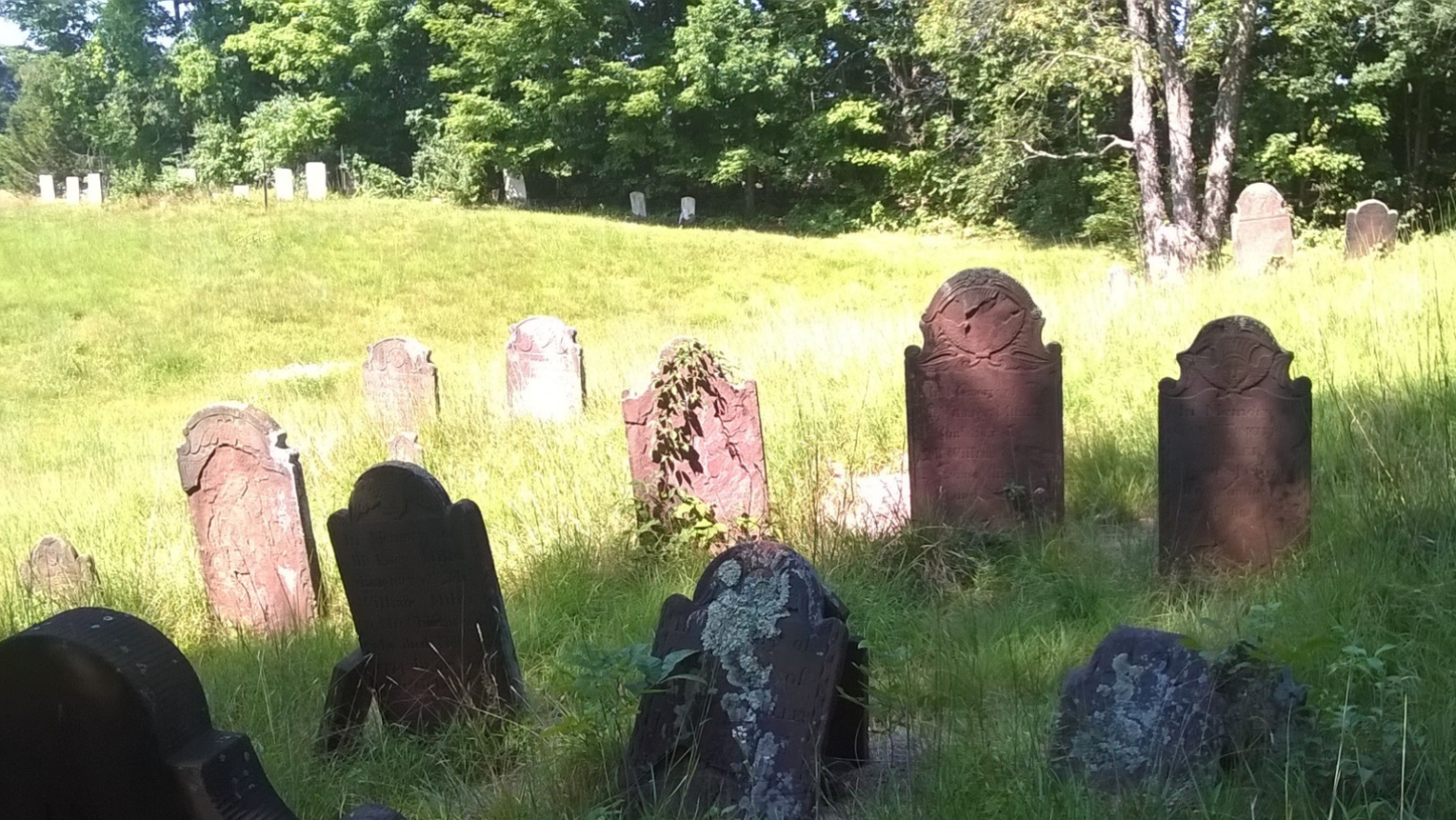
An outgrowth of a project to document veteran’s graves, the Hale Collection was largely compiled between 1932 and 1935. To create the collection, staffers visited the town, attempted to locate all relevant cemeteries, and transcribe the headstones. Those transcriptions were then organized into volumes by town and then by cemetery. The volumes are available onContinue reading “The Hale Collection: A Resource for Cemetery Inscriptions”
How do I find my ancestor’s Connecticut divorce record?
Connecticut’s statute allowing for divorce dates from 1667, created under the argument that marriage – and thus divorce – was a civil contract. The superior court system was given jurisdiction over divorce cases as early as 1784. In 1849, it officially became exclusive. Yet, many still petitioned the Connecticut General Assembly. The Connecticut State LibraryContinue reading “How do I find my ancestor’s Connecticut divorce record?”
How do I take my Connecticut immigrant ancestor back to Europe?

This is one of the more common Connecticut research questions. A simplified version might be “I know my family is Irish (Italian, Polish, German, French, etc.). How do I learn more about where they’re from in Europe.” The short answer: you need a European point of origin. Expecting to find an ancestor in Europe whenContinue reading “How do I take my Connecticut immigrant ancestor back to Europe?”
 Connecticut Roots by Charter Oak Genealogy