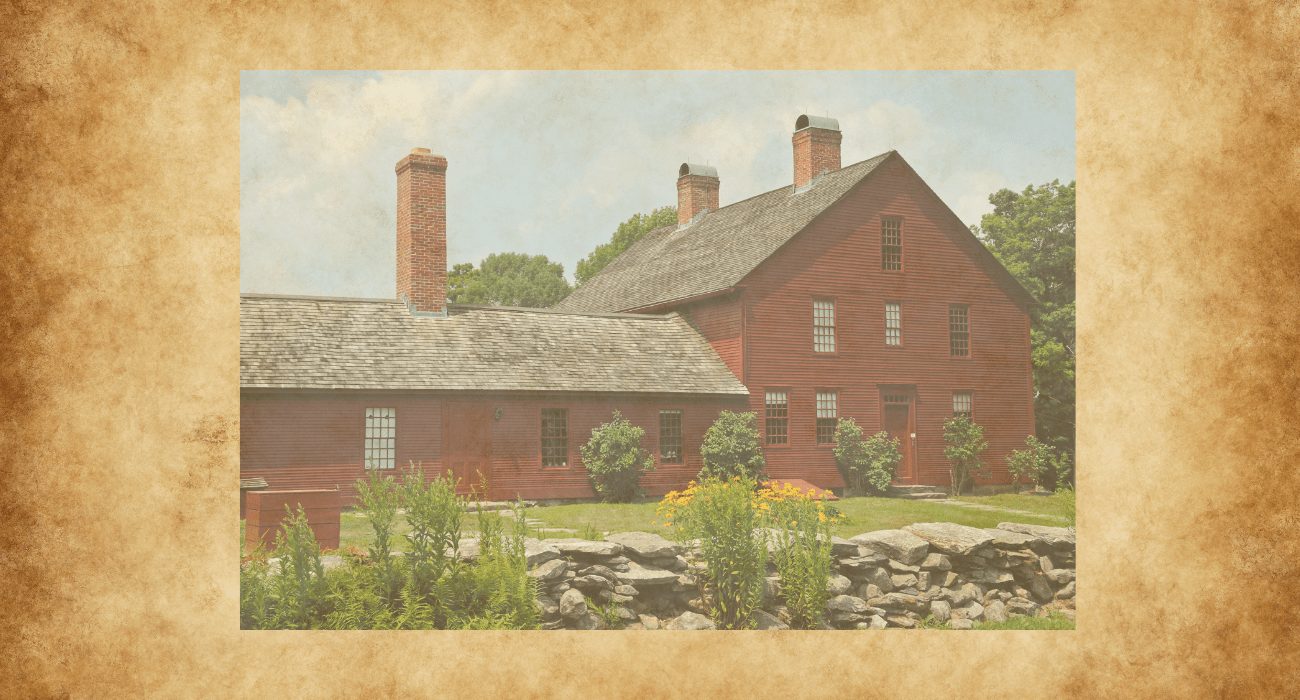
Land records are often the last record a genealogist checks. They can be challenging to navigate, and there’s a significant chance they do not indicate relationships. Yet, especially in colonial Connecticut, they are a must check document for one simple reason: land was key to a family’s survival. In an agrarian society, land was aContinue reading “Land Records: Key Part of Colonial Connecticut Research”
Category Archives: History
What is coverture, and why does it matter?
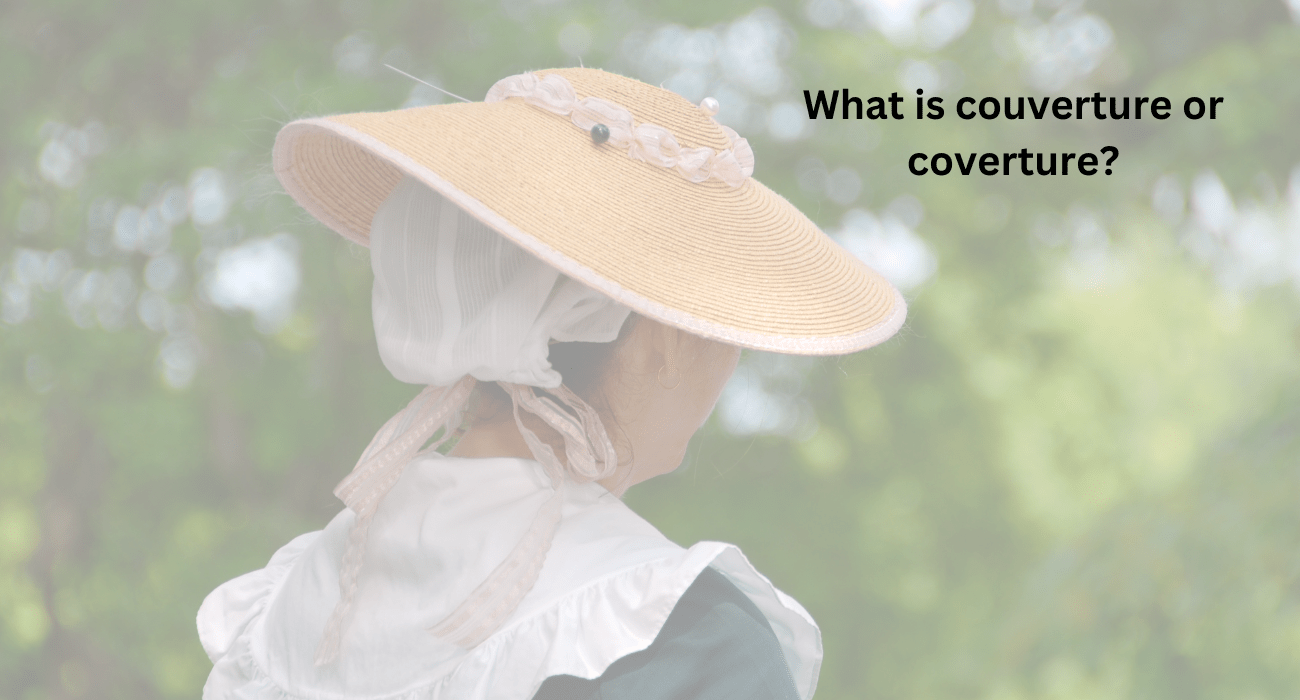
Coverture or coverture is a legal principle of English common law that was commonly applied in colonial America: it essentially made a married woman a part of her husband’s legal entity. Connecticut did not begin to chip away at the principle until the mid-19th century. Prior to that point, a married woman was subject toContinue reading “What is coverture, and why does it matter?”
Resources for researching the history of your Connecticut Home
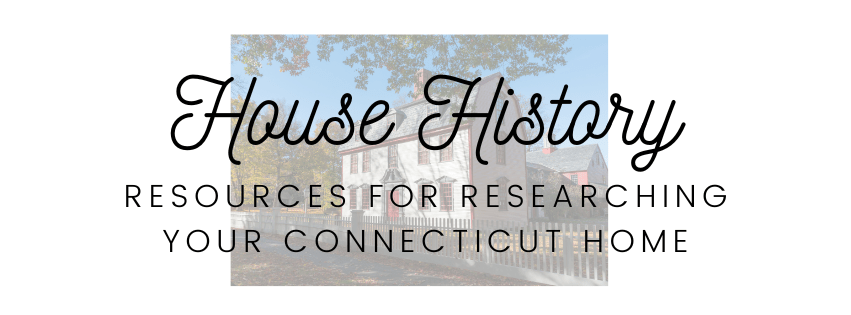
Historic homes were witnesses to Connecticut’s history. Connecticut’s oldest known home dates to 1639. Other buildings saw the American Revolution, the Industrial Revolution, and more. Telling the history of your home can help place it in the context of your community. It may even earn you tax credits! Land Records: Architectural Resources Tax Credit Programs:
What was the 1780 quota act – and why does it matter?
And be it further enacted by the authority aforesaid, That the several towns within this State shall forthwith choose a committee who shall divide all the inhabitants thereof, who give in a list or are included in any militia roll, either of the trainband, alarm list or companies of horse, into as many classes accordingContinue reading “What was the 1780 quota act – and why does it matter?”
House of Hope
A trading fort rather than a colony, the House of Hope still played a major role in the settlement of colonial Connecticut. Established in 1633 by the Dutch under Jacob van Culer, the House of Hope was a trading post at the intersection of the Fresh River and the Little River.[1] The site, in today’sContinue reading “House of Hope”
Five Myths about Connecticut Vital Records (colonial period)
Connecticut required the filing of birth, death, and marriage record by the mid-1600s… Yet, the reality of what was recorded and when is a bit complicated. Here are five common myths about Connecticut vital records in the colonial period.
Junior or Senior?

Today, “junior” and “senior” are used to differentiate between direct line family members of the same name, most often father and son. That was not always the case in colonial Connecticut. In a 1979 article – George E. McCracken, “Terms of Relationship in Colonial Times,” The American Genealogist Vol. 55 (1979): 53; digital images, AmericanContinue reading “Junior or Senior?”
Is the Barbour Collection a Derivative Source?

As an index and abstract to pre-1850 Connecticut vital records, the Barbour Collection is popularly used in lineage society applications as “proof” of birth, death and marriage. (For history of the collection and for information on its three “formats,” visit https://connecticutroots.org/2023/07/28/are-there-multiple-versions-of-the-barbour-collection/.) The collection is generally considered to be reliable. Yet, as genealogists, we want toContinue reading “Is the Barbour Collection a Derivative Source?”
Is it a deed or a mortgage?
While there were banks in the United States as early as 1780, they didn’t become common until the late 19th century. That meant if you needed to borrow money to buy a property, you might do it from a friend, a neighbor, or the prior owner. And that can pose a stumbling block to yourContinue reading “Is it a deed or a mortgage?”
How do I develop historical context for a Connecticut ancestor?

Of the genealogical uses of AI currently being discussed is AI’s purported ability to establish historic context. In reality, LLMs aren’t that great at specifics – they’re looking at predictive patterns, so they’re likely to pull in anything strongly associated with the question you asked. In a recent test, that lead to an LLM extensivelyContinue reading “How do I develop historical context for a Connecticut ancestor?”
 Connecticut Roots by Charter Oak Genealogy