I hear often from researchers that they’ve started researching their Connecticut family on specific genealogy websites and skipped FamilySearch because it feels hard to use. They’ve accidentally missed one of the best resources for digitized Connecticut genealogy records (and more). While FamilySearch is a challenging to navigate website, learning how to use it can make a huge difference in being able to trace your Connecticut ancestors.
Here are my top five tips for researching Connecticut ancestors on FamilySearch:
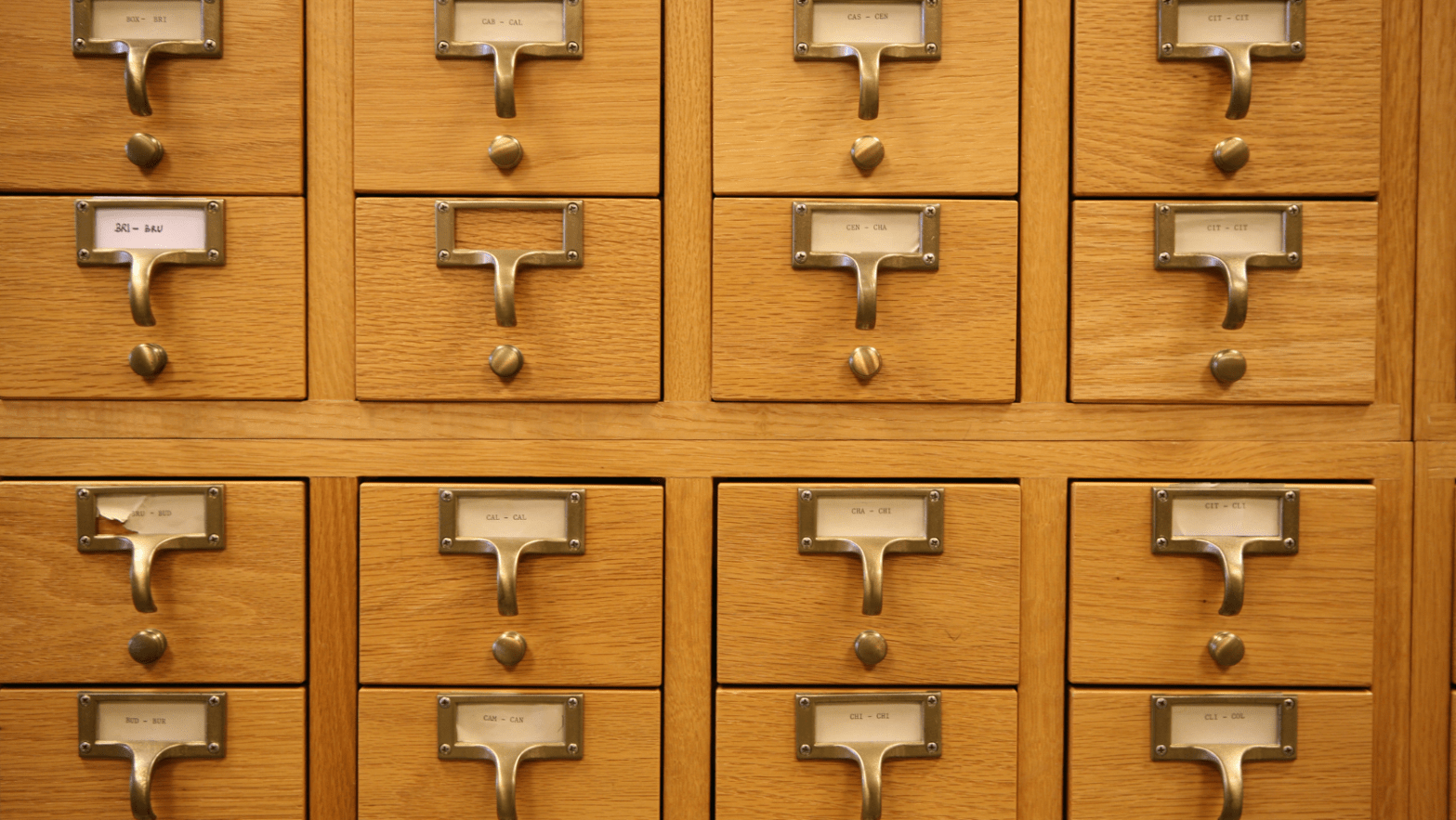
- Skip the “Records Search”: People often start by using the records search option because that’s how other genealogy sites allow you to search their records. FamilySearch never fully linked its records databases to the search, so searches tend to return very little information. Instead, use the catalog to see the records available for where your ancestor lived. A good percentage of probate, land, church and vital records for the period before 1900 have been digitized.
- Be aware of records restrictions: Depending on their contracts with the record owner, FamilySearch has multiple different types of records access. Connecticut records fall mostly into two categories: available from home or available from an affiliate library. Read more about access issues here. Some records might be restricted because the original microfilm reel contains vital records currently restricted under Connecticut law. To learn more about access, visit here.
- Pay attention to records storage location: FamilySearch files records by the creator. That means land records will be filed in the town in which the transaction occurred (even if the property is now in a different town). This can have a major impact with probate records, as probate records are filed under the district seat. (To learn more about districts, visit here.)
- If possible, learn more about Connecticut records and what might and might not be digitized. At least try to explore! Connecticut’s church records matter. There was a “state church” until 1818, so it was often a defacto second recorder for birth, marriages, and deaths. Some church records are digitized, and some aren’t. If you don’t have time to learn, reading through the extra entries on the catalog can give you ideas.
- Try “Full Text“ search – but remember, it doesn’t include everything! The AI driven “full text” search can be invaluable for locating references to your ancestor in land and probate records that you might otherwise miss. But remember, it doesn’t include everything! Records searches will be restricted by the same contracts as the records themselves. (You’ll often get more access in an affiliate.) There are also collections that were never linked. This is a great add on to your research, but it’s not a replacement.
 Connecticut Roots by Charter Oak Genealogy