What documents should you check when researching a family in colonial Connecticut? Birth, death and marriage records (often people check the Barbour Collection instead); previous literature on the family; gravestone inscriptions (the Hale Collection); probate files; maybe manuscript or court records? There are two more “must check” sources that genealogists often miss. The first isContinue reading “Two “Must Check” Sources Most Genealogists Miss When Researching Colonial Connecticut”
Tag Archives: colonial
What is coverture, and why does it matter?

Coverture or coverture is a legal principle of English common law that was commonly applied in colonial America: it essentially made a married woman a part of her husband’s legal entity. Connecticut did not begin to chip away at the principle until the mid-19th century. Prior to that point, a married woman was subject toContinue reading “What is coverture, and why does it matter?”
What’s a proprietor? (and why does it matter?)

When Connecticut gave land to colonial settlers, it did not do so – as other colonies did – by issuing patents to individuals. Instead, it gave a group permission to settle on a certain area of land. These individuals, referred to as “proprietors” were responsible for establishing town governance and dividing the land among themselvesContinue reading “What’s a proprietor? (and why does it matter?)”
Struggling to determine an ancestor’s church affiliation? Have you checked the tax records?

Connecticut had an establishment or state church until 1818. That meant many Connecticut residents – but not all – were Congregationalist by default. Yet, the Baptist and Episcopal Churches had a foothold in the state well prior to 1818. How do you determine which of the denominations your ancestor attended? While it is possible toContinue reading “Struggling to determine an ancestor’s church affiliation? Have you checked the tax records?”
Did Connecticut require vital records for those held in slavery?
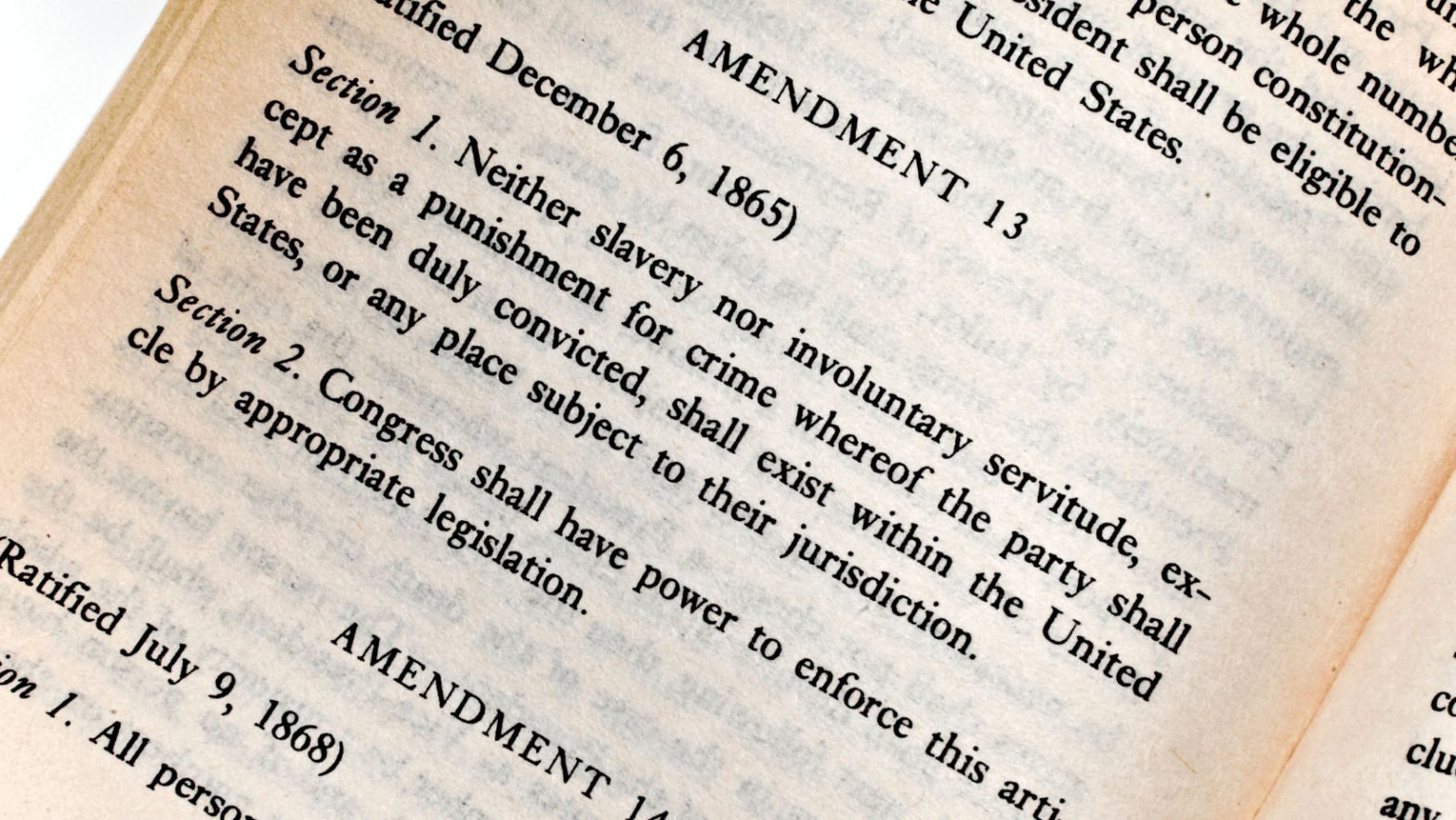
As early as 1702, the requirement to register births and deaths included “masters” in addition to parents. Recording was inconsistent: although there was a penalty for failure to register, it’s unclear if it was ever enforced. In short, while there are only a small number of records for those held in slavery, it’s important toContinue reading “Did Connecticut require vital records for those held in slavery?”
Did Connecticut warn out?

If you’ve studied colonial New England genealogy, you’ve probably heard about the practice of “warning out”. “Warning out” was a practice in which the town’s selectmen would tell unwanted inhabitants they had to leave the community, usually to avoid paying for care of an individual not raised in or with deep ties to a community.Continue reading “Did Connecticut warn out?”
 Connecticut Roots by Charter Oak Genealogy