
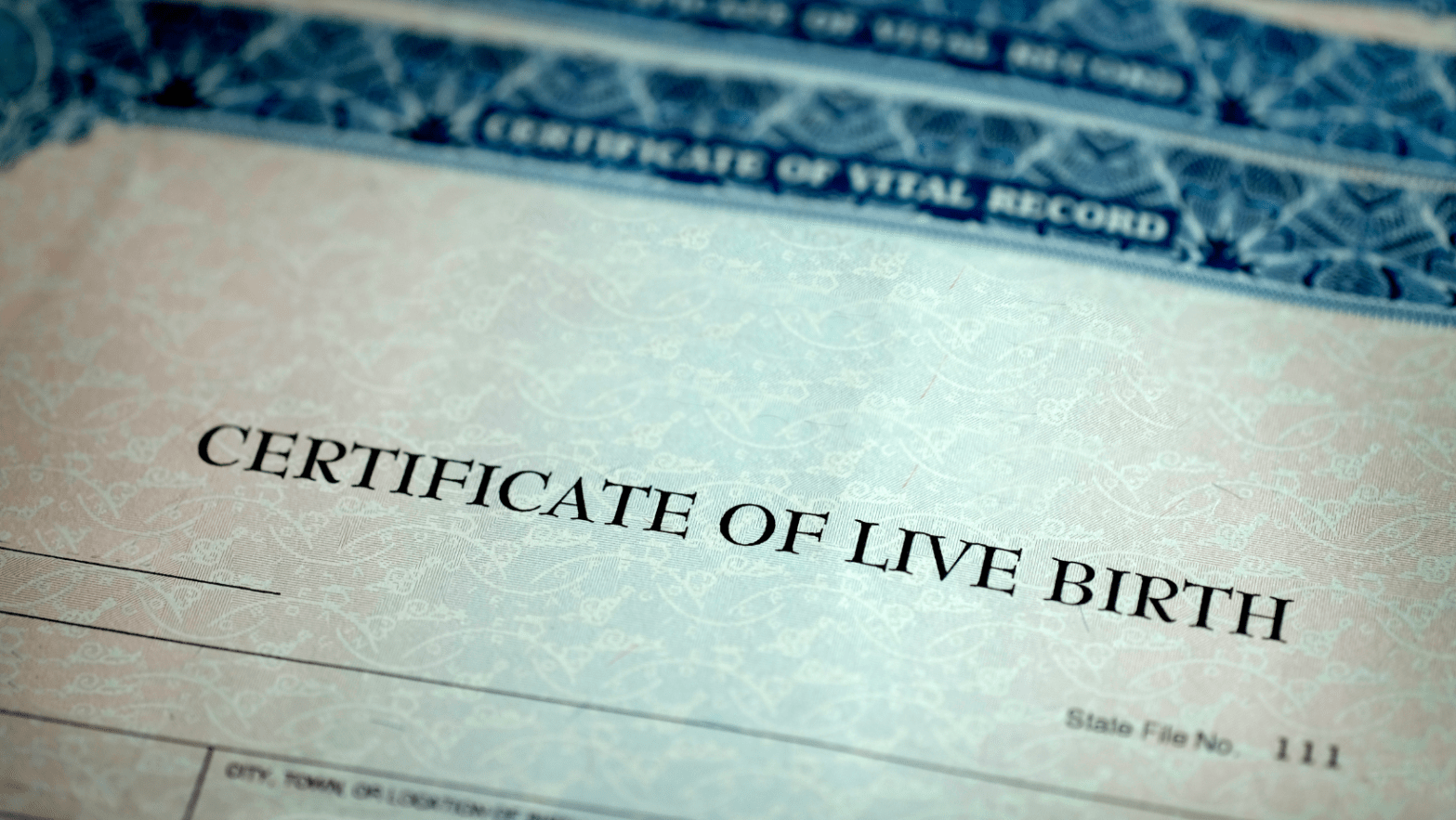
Myth. 100% myth. Originals of the birth records are held in the town hall or the town vital records office. They have not been transferred to the State Library. Some records still in the towns have been microfilmed (and digitized) by FamilySearch, and that’s what you’d be reviewing at the State Library. If you areContinue reading “Truth or Myth: The older birth certificates were transferred from my ancestor’s Connecticut town to the State Library”
Category Archives: History
Struggling to determine an ancestor’s church affiliation? Have you checked the tax records?

Connecticut had an establishment or state church until 1818. That meant many Connecticut residents – but not all – were Congregationalist by default. Yet, the Baptist and Episcopal Churches had a foothold in the state well prior to 1818. How do you determine which of the denominations your ancestor attended? While it is possible toContinue reading “Struggling to determine an ancestor’s church affiliation? Have you checked the tax records?”
How do I locate a Connecticut manumission record?

Connecticut established “Gradual Emanicipation” in 1784, but it applied only to those born after March first of that year. For those already held in slavery, the route out was through manumission, the process by which the enslaver legally released the person held in slavery from enslavement. Connecticut had a process for accomplishing this goal. (SeeContinue reading “How do I locate a Connecticut manumission record?”
Connecticut and the Firelands

The Origins of the Firelands: According to the Connecticut State Library, the Firelands were created as a result of the state of Connecticut’s attempts to recompense property owners for their losses after British attacks on Danbury, Fairfield, Norwalk, New London, and New Haven. In 1792, 500,000 acres of the Western Reserve was provided to survivorsContinue reading “Connecticut and the Firelands”
What are the overseers of the poor, and how can they impact the research of my Connecticut ancestor?
Connecticut had a public welfare system in place by 1702. The law read: Be in enacted and declared by the Governour, Council, and Representatives, in General Court Assembled, and by the Authority of the same, That when and so often as it shall happen, any person to be naturally wanting of understanding, so as toContinue reading “What are the overseers of the poor, and how can they impact the research of my Connecticut ancestor?”
Why did the town indenture my Connecticut ancestor?

19th century Connecticut newspapers include ads to reclaim those who had escaped indenture. Indenture, on the basic level, meant that someone “bound” themselves to an employer to work for a set period of time in exchange for some form of reward. Why do some of those ads mention the town as the ones doing theContinue reading “Why did the town indenture my Connecticut ancestor?”
Justice of the Peace: More than just marrying people!

Today, the justice of the peace has three “official” roles in Connecticut: they can conduct marriages, take oaths, and take depositions. The institution has simplified over time. In the colonial period, the Justice of the Peace essentially functioned as a small court. It had many of the roles it does today. Individuals could marry inContinue reading “Justice of the Peace: More than just marrying people!”
How do I locate a Connecticut birth, death or marriage record?
Adapted from a post on http://www.charteroakgenealogy.com. Here’s what you need to know for Connecticut records: Rule of thumb: FamilySearch first and then the town. State only when all other options have been exhausted.
Connecticut Comptroller Records

The Connecticut State Library today announced the release of an index to the Comptroller records. The Facebook post describes the index as an “Index of Connecticut town officials requesting state aid for support of non-resident individuals in their municipality[…]” What exactly does that mean? Someone from another town? Another state? The answer can be foundContinue reading “Connecticut Comptroller Records”
Were Connecticut Revolutionary War units integrated or segregated?

Both. Connecticut had one segregated unit: the company of Capt. David Humphreys in the 4th Connecticut. The privates in that company were all men of color. The company never saw its commander, who was assigned as a staff officer to Washington. The men consistently refer to him as Elijah Humphreys in pension applications. Although itContinue reading “Were Connecticut Revolutionary War units integrated or segregated?”
 Connecticut Roots by Charter Oak Genealogy