Connecticut had a public welfare system in place by 1702. The law read: Be in enacted and declared by the Governour, Council, and Representatives, in General Court Assembled, and by the Authority of the same, That when and so often as it shall happen, any person to be naturally wanting of understanding, so as toContinue reading “What are the overseers of the poor, and how can they impact the research of my Connecticut ancestor?”
Author Archives: Bryna O'Sullivan
Did Connecticut require vital records for those held in slavery?
As early as 1702, the requirement to register births and deaths included “masters” in addition to parents. Recording was inconsistent: although there was a penalty for failure to register, it’s unclear if it was ever enforced. In short, while there are only a small number of records for those held in slavery, it’s important toContinue reading “Did Connecticut require vital records for those held in slavery?”
Why did the town indenture my Connecticut ancestor?

19th century Connecticut newspapers include ads to reclaim those who had escaped indenture. Indenture, on the basic level, meant that someone “bound” themselves to an employer to work for a set period of time in exchange for some form of reward. Why do some of those ads mention the town as the ones doing theContinue reading “Why did the town indenture my Connecticut ancestor?”
Are there multiple versions of the Barbour Collection?
The Barbour Collection is an index and abstract of pre-1850 Connecticut vital records created in the early 1900s. For a history of the collection, see the “LibGuide” on the Connecticut State Library website. It’s a commonly used resource for Connecticut research, and, as it’s considered to be generally reliable, is accepted as “proof” by manyContinue reading “Are there multiple versions of the Barbour Collection?”
Which Connecticut genealogical societies can help me learn more about my ancestors?

While not all of Connecticut’s genealogical societies include a focus on Connecticut ancestry, those that do can offer unique resources for learning more about your Connecticut roots. Here’s a partial list of societies and a few of their offerings: The Polish Genealogical Society of Connecticut and the Northeast offers resources on research in Connecticut andContinue reading “Which Connecticut genealogical societies can help me learn more about my ancestors?”
Stuck researching a Connecticut ancestor? Have you checked these sources?

Sometimes we get stuck in research simply because we don’t know where to look next. While this list is far from exhaustive – and will apply better to the colonial period – here are sources you can check to learn more about your Connecticut ancestors. Keep in mind, these are a starting point. There areContinue reading “Stuck researching a Connecticut ancestor? Have you checked these sources?”
What does “removal” mean in a burial record?
From sexton’s books to burial transit permits, Connecticut has remarkably good civil burial records. The term removal appears in many of those records. What does it actually mean? The term “removal” is used to indicate that the remains were moved from one town to another. If it appears in the town’s sexton’s books, it’s usuallyContinue reading “What does “removal” mean in a burial record?”
The Hale Collection: A Resource for Cemetery Inscriptions
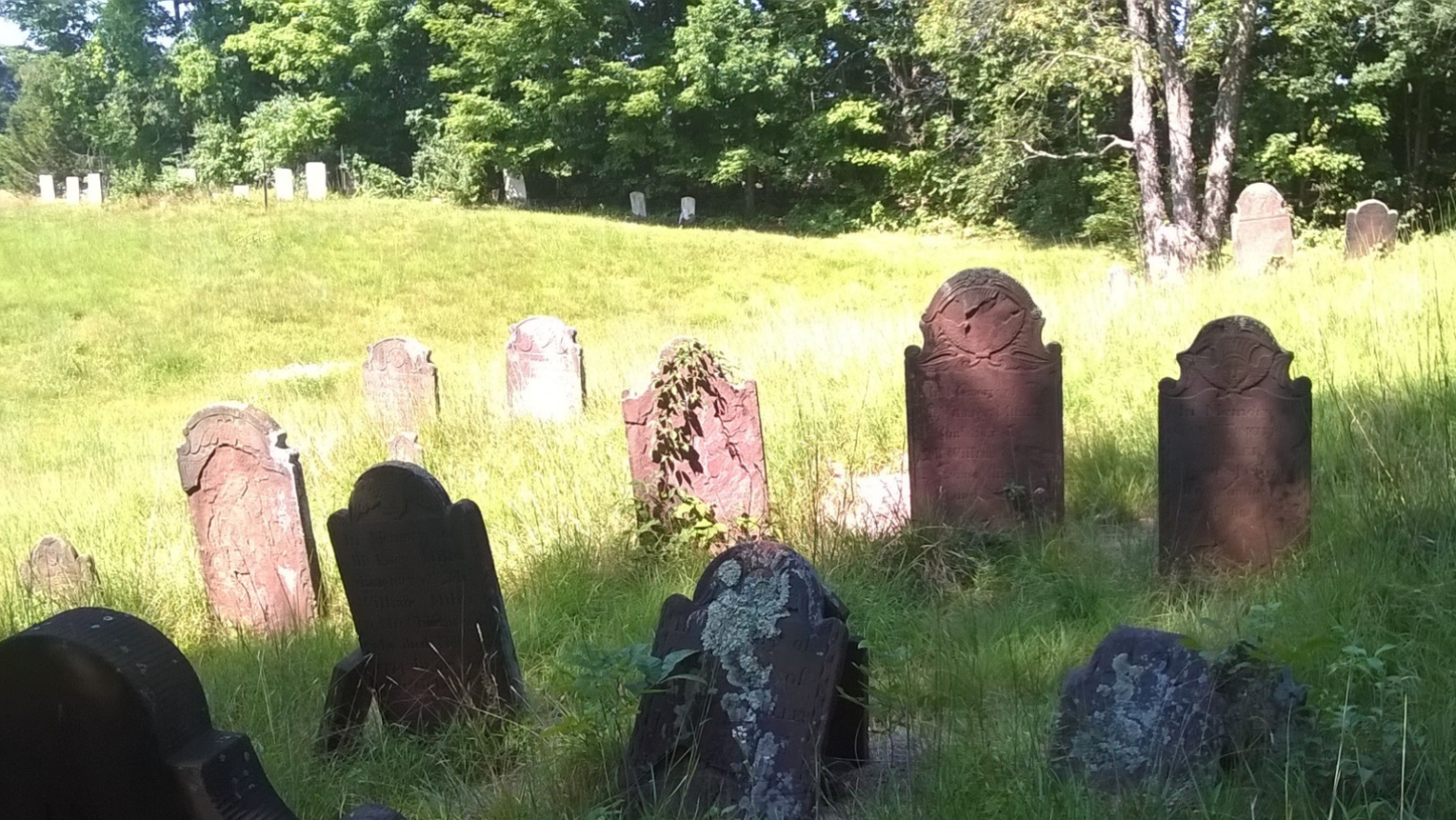
An outgrowth of a project to document veteran’s graves, the Hale Collection was largely compiled between 1932 and 1935. To create the collection, staffers visited the town, attempted to locate all relevant cemeteries, and transcribe the headstones. Those transcriptions were then organized into volumes by town and then by cemetery. The volumes are available onContinue reading “The Hale Collection: A Resource for Cemetery Inscriptions”
How do I find my ancestor’s Connecticut divorce record?
Connecticut’s statute allowing for divorce dates from 1667, created under the argument that marriage – and thus divorce – was a civil contract. The superior court system was given jurisdiction over divorce cases as early as 1784. In 1849, it officially became exclusive. Yet, many still petitioned the Connecticut General Assembly. The Connecticut State LibraryContinue reading “How do I find my ancestor’s Connecticut divorce record?”
Justice of the Peace: More than just marrying people!

Today, the justice of the peace has three “official” roles in Connecticut: they can conduct marriages, take oaths, and take depositions. The institution has simplified over time. In the colonial period, the Justice of the Peace essentially functioned as a small court. It had many of the roles it does today. Individuals could marry inContinue reading “Justice of the Peace: More than just marrying people!”
 Connecticut Roots by Charter Oak Genealogy