Connecticut’s statewide “compliance date” for birth, death, and marriage records is 1 July 1897. Yet, it’s not unheard of to have a hard time finding vital records after that time period for an immigrant ancestor and can be very hard before, even though records were technically required. Why? There are two common reasons for missingContinue reading “My French-Canadian ancestor isn’t recorded in Connecticut vital records. How do I document their birth, marriage, or death?”
Author Archives: Bryna O'Sullivan
Stuck on a Connecticut research problem? Here are five places you can go for help.

Have a specific question? Feel free to contact us!
5 Websites to Try for Researching Connecticut Genealogy

When you’re getting started researching ancestors living in a new area, it can be easy to stick to familiar websites and databases. That may serve you well in some cases. In others, it may result in missing out on valuable educational opportunities and family records. Here are five new websites to try for researching ConnecticutContinue reading “5 Websites to Try for Researching Connecticut Genealogy”
Connecticut Statutes: Resources for Genealogy

Understanding the law that lead to the creation of genealogical records can be crucial in understanding the record. The law can help explain who was named in a record, why, and how. It can explain who was left out. It can also point us to records we may not have seen yet. So how doContinue reading “Connecticut Statutes: Resources for Genealogy”
How do I find my Connecticut ancestor’s obituary?
An obituary can be a valuable resource for genealogical research. Obituaries often list information on major life events, family relationships, and more. How do you find one for your Connecticut ancestor? Obituaries as we think of them today begin in the late 19th century. Prior to that, Connecticut newspapers tended to provide what are calledContinue reading “How do I find my Connecticut ancestor’s obituary?”
Connecticut County Records: What do genealogists need to know?
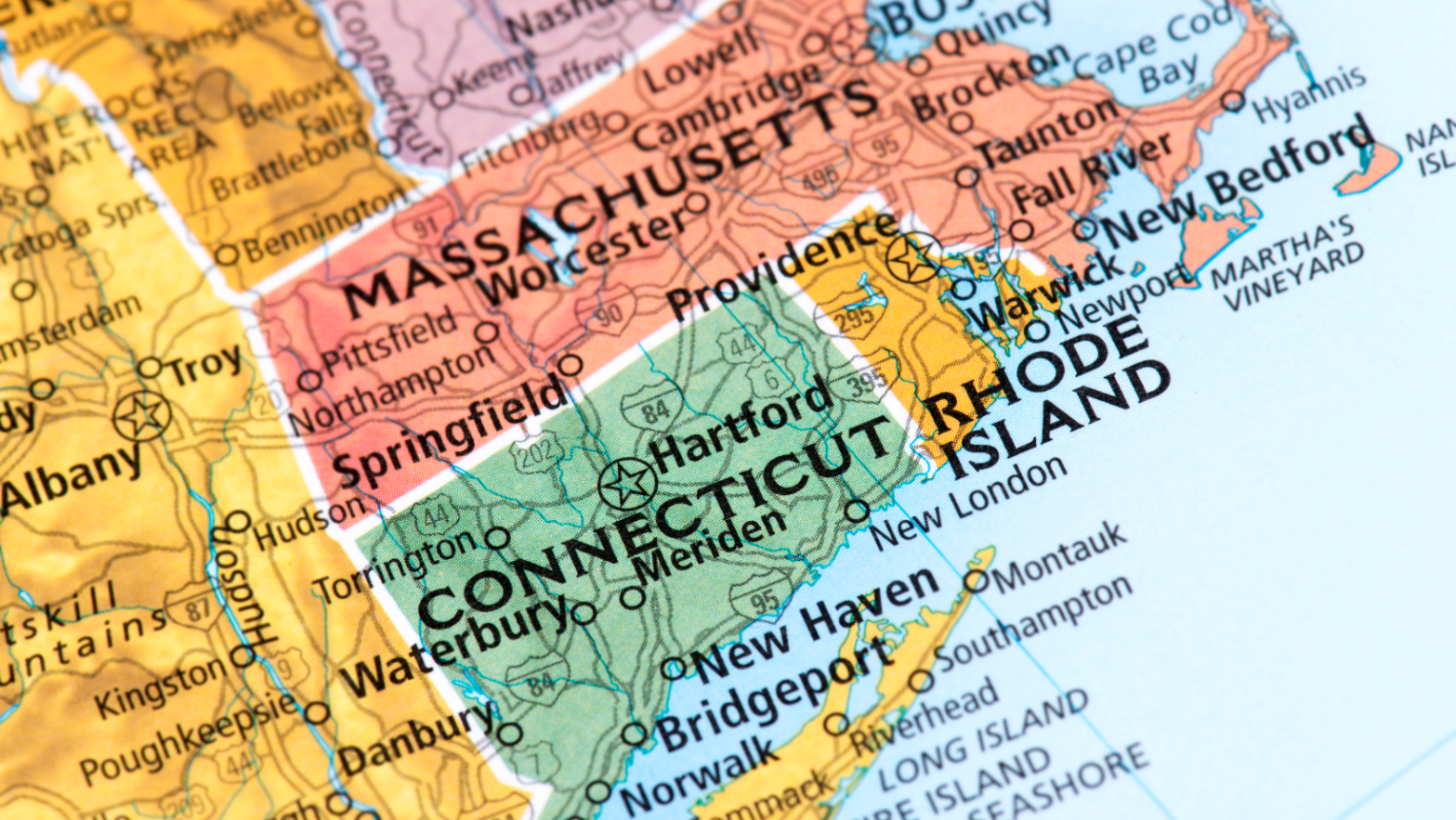
Connecticut’s county system was abolished 1 October 1960, meaning that no functions are currently managed by the county within the state. In a 1998 memo, Judy A. Watson listed 9 functions of the county government system at its peak: Genealogists will most likely run into county records when researching ancestors who a) interacted with theContinue reading “Connecticut County Records: What do genealogists need to know?”
Is this service right?: Connecticut Revolutionary War ancestor with service from a different town…

This is one of the most common errors I see with Connecticut Revolutionary War service – most often when someone is looking for lineage society membership. They’ve found DAR or SAR qualifying service for an ancestor of that name in Connecticut, somewhere, and believe that service must be for their ancestor. Unfortunately, it’s not thatContinue reading “Is this service right?: Connecticut Revolutionary War ancestor with service from a different town…”
Why do families from Connecticut appear in Presbyterian records when they move to other states?

This had long been a point of confusion. Connecticut families tend to be Congregationalist by default prior to 1818; if they were not, they were often Baptist or Episcopal. Yet, when families migrated to new regions they often ended up in the Presbyterian Church. As it turns out, there’s a reason for the switch. InContinue reading “Why do families from Connecticut appear in Presbyterian records when they move to other states?”
Should tax records be a part of a reasonably exhaustive search in colonial Connecticut research?

Tax records are considered an “important record type” for New England according to ICAPGEN’s New England Regional Guide. Yet, they’re often skipped by researchers. Should tax records be considered a part of a reasonably exhaustive search in colonial Connecticut? In many states, tax records are referenced because they can help determine the structure of theContinue reading “Should tax records be a part of a reasonably exhaustive search in colonial Connecticut research?”

 Connecticut Roots by Charter Oak Genealogy