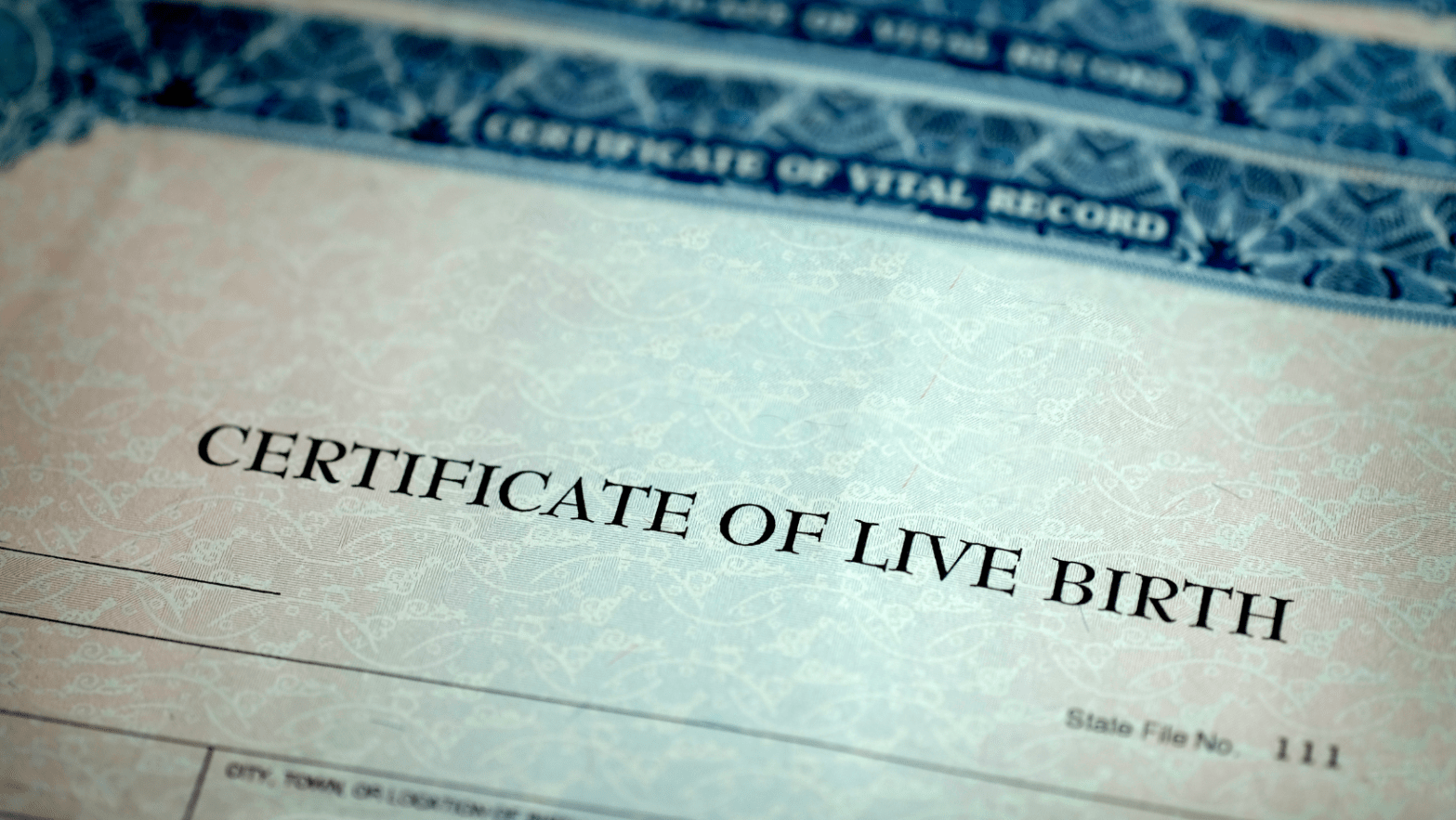
Connecticut began recording births, deaths, and marriages on the state level on 1 July 1897. In theory that means that any birth, death, or marriage on or after that date should be recorded in both the state vital records office and in the town clerk or health department in the town in which the event occurred (and sometimes in a third location as well). Yet, sometimes immigrant ancestors seem to be missing. Why?
It is possible an ancestor’s event was not registered, despite the requirements.
More commonly, records are “missing” because of a language gap. In some cases, surnames became standardized once families settled in the US in a way that they would not have been in Europe. Polish surnames, for example, have a history of changing based on gender. Yet, that pattern may not have been used by later American generations. Referring to resources on the historic culture of the family’s ethnicity may be helpful. More often, difficulties arose because of the primary language of the record’s recorder. Medical staff, clerks, and other people filling out the vital record form may have spoken only English, and being unsure of the appropriate spelling, copied what they thought they heard. Using spellings that sound similar to those used by your ancestor may help locate the record you need.
 Connecticut Roots by Charter Oak Genealogy